


Smart containers for Europe’s discarded clothes


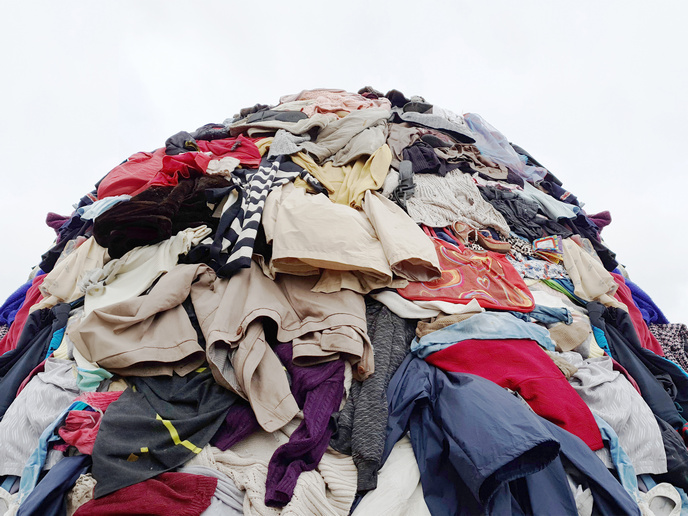
The EU-funded TexMat(opens in new window) project is setting up a decentralised textile collection system that will make textile recycling and reuse easy and rewarding for consumers. The deposit return system being developed for used textiles across Europe promises to reduce textile waste and the impact it has on the environment. The TexMat initiative will encourage consumers to return reusable and recyclable garments through a system of financial incentives. It will also notify producers when discarded items require formal waste management.
An automated solution
The project’s innovative approach to textile waste comes in the form of decentralised textile collection. Smart collection containers will help sort returned textiles, assess quality and record material information using digital product passports (DPPs)(opens in new window), which the EU is phasing in starting in 2026-2027. The textiles will be sorted into reusable textiles for second-hand sellers, recyclable textiles for recycling operators and textile waste for waste management. Pilot activities will be held in Spain and Finland to test the system in real-world settings. The TexMat innovation supports the implementation of key elements of the EU’s Strategy for Sustainable and Circular Textiles(opens in new window) and Circular Economy Act(opens in new window). These include mandatory textile waste collection, the introduction of DPPs, and extended producer responsibility, an environmental policy approach that shifts the responsibility of a product's life cycle to the producer. The “TexMat solution has great potential to transform the collection and resale of used but still valuable garments, supporting second-hand markets while enabling consumers to monetise their textiles,” comments Elina Ilén, lead scientist at TexMat project coordinator VTT Technical Research Centre of Finland, in a news item(opens in new window) posted on ‘Just Style Magazine’. “By developing a cost-effective, robust, and user-friendly solution, we aim to relieve consumers of the need to evaluate which garments can be resold for reuse or recycling. Automated collection and sorting will also support textile waste management operators by quickly and accurately separating garments suitable for reuse from those destined for disposal, reducing reliance on manual work.” The innovation responds to the urgent need for Europe to significantly scale up its sorting and recycling capacities. The numbers speak for themselves: In 2022, the EU generated around 6.94 million tonnes of textile waste – only a slight improvement from the 2020 figure of 6.95 million tonnes, which corresponds to 16 kg per person. Of these 16 kg, only 4.4 kg per person were collected separately to be reused or recycled. The rest ended up in mixed household waste, which was then dumped in landfills or incinerated. In 2022, 85 % of household textile waste ended up in landfills or incineration. The TexMat (AUTOMATED COLLECTION AND SORTING SOLUTION FOR CONSUMER TEXTILES) project was launched in October 2025, bringing together 14 partners representing European civil society, research and academia, industry, and its tech and ICT sectors. The project will run until 2029. For more information, please see: TexMat project web page(opens in new window)
