Better crop yields with less water

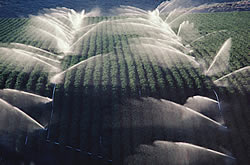
Globally, water is becoming an increasingly valuable and expensive natural resource. Safe drinking water is the primary concern, but adequate water resources for agricultural use are also crucial. Misuse of existing water resources and long-standing drought problems jeopardise the agricultural industry of Southern Europe. Fruit-bearing trees face a greater risk than typical annual crops due to the accumulated effects of drought from year to year. The fruit of these trees, such as apples, peaches, citrus and olives, provide considerable income to their respective regions. The challenge is to maintain or improve crop yields while at the same time reducing water consumption. Scientists from the Mediterranean region collaborated to address this problem within the framework of the FAIR Programme. They combined their expertise to produce irrigation scheduling programmes that optimise water and nutrient utilisation and minimise water usage. These programmes define the frequency and duration with which the trees are watered. The results were made possible by the application of Trunk Diameter Fluctuation (TDF) sensors. These high tech sensors provide detailed information about the water retention status of the tree. This data is fed to the irrigation scheduling program to determine the amount of water necessary to maintain tree health and crop yields. Reductions in water usage of 10-30 percent were achieved. The programmes apply deficit irrigation theory, in which the tree is not watered to 100% saturation. Increases in fruit quality were also observed. Another important environmental benefit resulting from this research is the reduction in nitrogen leaching into the soil. This reduces the risk of groundwater contamination. The results of this work are now being disseminated to the academic community as well as the relevant public authorities within these regions, with an aim to promote smarter farming practices.