Transforming the berry value chain through ‘smart’, green innovations

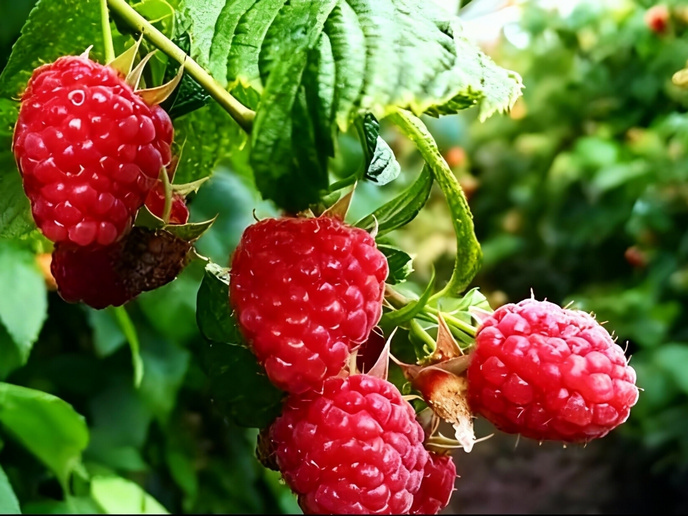
Traditional berry cultivation and processing often struggle with inefficient use of water, fertilisers and energy, alongside significant post-harvest losses caused by mechanical damage and rapid microbial spoilage. These challenges translate into economic uncertainty for producers. At the same time, consumers increasingly demand sustainable, functional and minimally processed foods. With support from the Marie Skłodowska-Curie Actions(opens in new window) programme, the FRIETS(opens in new window) project addressed these challenges by integrating advanced pre- and post-harvest strategies, focusing on raspberry, strawberry, blackberry and blueberry production. The project demonstrated how precision agriculture and innovative processing can improve productivity, product quality and safety, and economic performance – and trained a host of young researchers in the process.
Precision agriculture and sustainable drying techniques
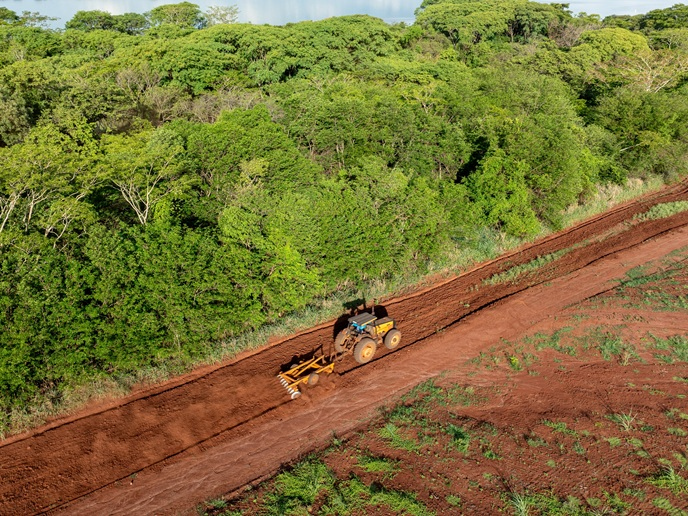
FRIETS applied precision agriculture tools to closely monitor crop growth and optimise resource use. Unmanned aerial vehicles (UAVs) equipped with multispectral cameras collected high-resolution data at key growth cycle stages, such as flowering. Vegetation indices derived from these data were used to assess plant health and spatial variability across fields, while GreenSeeker(opens in new window) handheld sensor devices validated the UAV observations. Continuous inputs from meteorological stations and soil moisture sensors complemented remote sensing, enabling data-driven automated irrigation management and the development of robust yield prediction models. “UAV-derived vegetation indices combined with soil and weather data enabled accurate berry yield prediction weeks to months in advance. This allowed farmers to optimise irrigation and nitrogen inputs, boosting productivity without overuse of resources,” explains project coordinator Marianna Lagonikou of Rezos Brands. FRIETS also investigated mild and energy-efficient post-harvest drying techniques, including osmotic dehydration processes, advanced freeze drying and microwave-vacuum drying. In particular, the integration of osmotic dehydration and freeze drying produced shelf-stable berry products with excellent texture, high antioxidant retention and improved microbial safety, while remaining suitable for industrial scaling.
Bioactive enriched coatings and mycotoxin safety
Researchers extracted bioactive compounds including phenolics, flavonoids and compounds with antioxidant/antimicrobial activity from olive, berry and rosemary leaves using both conventional solvent-based techniques and greener ultrasound- and microwave-assisted methods. Encapsulation technologies (electrospinning, freeze drying and spray drying) stabilised them. Spray drying was particularly advantageous due to its scalability and ability to preserve bioactive potency. “Our team incorporated bioactive compounds into edible coatings based on microalgae and macroalgae components and applied them to fresh and dried berries. The enriched algae-based coatings extended shelf life, reduced microbial growth, and improved moisture and colour retention,” Lagonikou notes. The consortium developed a quantitative fungal risk management decision tool integrating meta-analysis of mycotoxin occurrence, fungal species molecular identification, analytical methods and predictive models. Outcomes demonstrated that temperature (including a continuous cold chain) and effective coatings are essential to prevent contamination.
Additional benefits of ‘protected cultivation’
Finally, a combined life-cycle assessment and life-cycle costing analysis compared FRIETS’ open-field data with that of protected (greenhouse-type) berry cultivation in the synergistic PRIMESOFT project. Protected cultivation reduced environmental impact by around 50 %, increased yields by 43 % and cut water use fourfold, pointing to protected cultivation’s potential to compete with imports through off-season production. Consumer surveys showed strong acceptance of sustainable, locally produced berry snacks, reinforcing market potential. Lagonikou concludes: “By uniting precision agriculture, green extraction of bioactive compounds and edible coating technologies, FRIETS delivered a path to healthier, safer and more sustainable berry-based products.”