Making circular, bio-based thermoplastics viable for industry

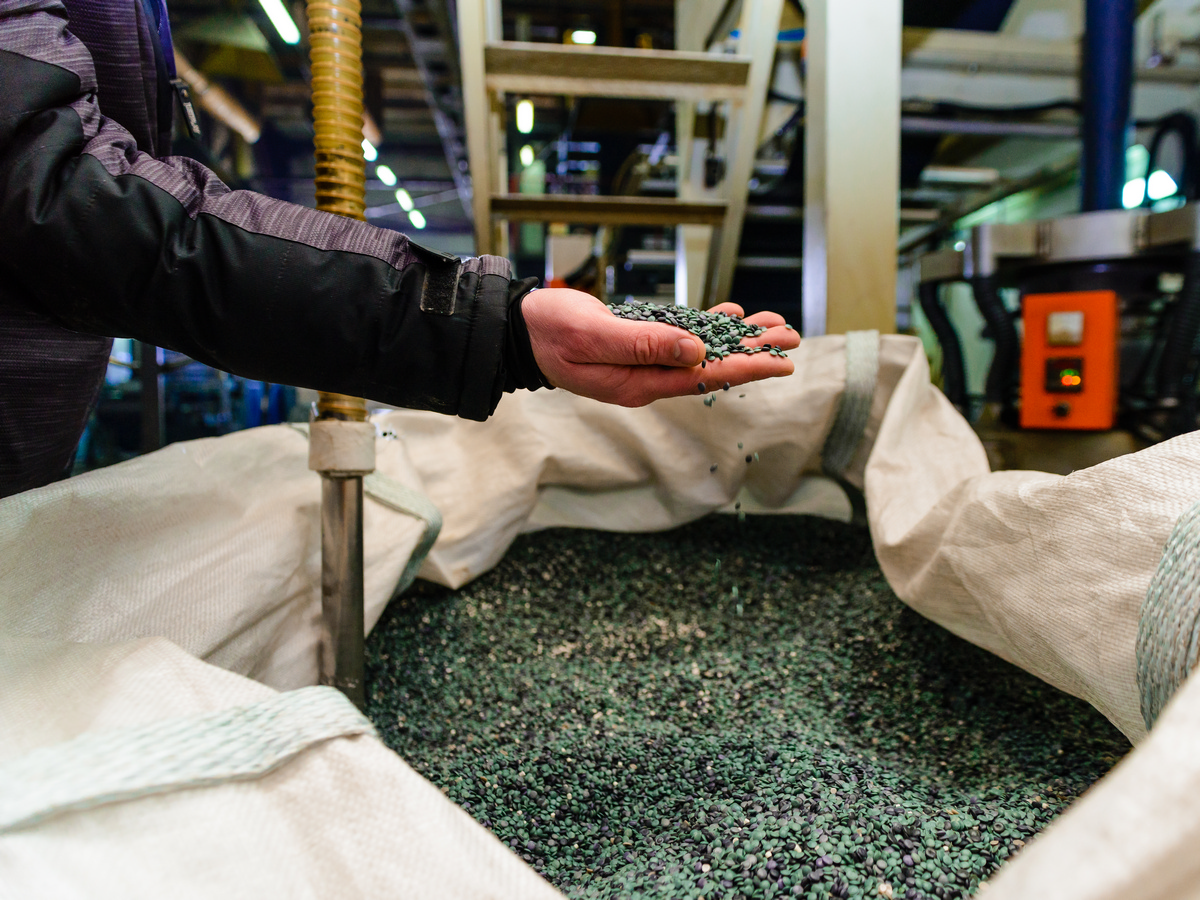
Europe’s manufacturing sector is under increasing pressure to reduce its reliance on fossil-based materials while maintaining performance, cost-efficiency and scalability. The EU-funded VITAL(opens in new window) project has taken on this challenge by delivering practical manufacturing solutions that enable the substitution of conventional plastics with bio-based alternatives within existing industrial environments. “The transition from fossil-based to bio-based and recyclable materials is no longer optional – it is a strategic necessity,” states Lisa Wikström, VITAL project coordinator. At the heart of VITAL was the development of novel foaming processes for bio-based polymers such as polylactic acid (PLA), bio-based thermoplastic polyurethane (TPU) and a bio-based polyamide. Foaming introduces gas bubbles into a polymer during processing, reducing material use and weight while maintaining structural performance.
Three value chains for circular bioplastics
Project partners validated the processes across three complementary value chains. The first focused on 3D foam printing. The team developed a new print head capable of processing polymer granulates directly, eliminating the need for filament production and using nitrogen gas as a foaming agent. This allows the adjustment of part density layer by layer, achieving weight reductions of up to 66 %. This technology was demonstrated through a tailored 3D-printed separation wall for cruise ships made from recyclable PLA. The second value chain addressed low-energy bead foaming. Conventional bead foaming relies on steam, which is energy-intensive and unsuitable for many bio-based plastics. VITAL replaced steam with radio-frequency heating, reducing energy use by up to 90 %. The process successfully produced recyclable TPU bead foams with up to 60 % bio-based content. The process was also successfully tested with PLA, opening new possibilities for cushioning and impact-resistant applications in automotive, packaging and consumer goods. For the third value chain, VITAL focused on foam injection moulding (FIM), a high-volume manufacturing process that is particularly relevant for mechanically recyclable thermoplastics. “Here we have pioneered several developments to understand how this manufacturing process can be applied to bio-based thermoplastics, how these materials can be effectively recycled, and how the use of digital twins and machine learning process control can enhance these areas,” says Wikström. VITAL developed new durable and fire-resistant PLA grades, which are now commercially available, and demonstrated their use on industrial injection moulding lines. These demonstrations also included the testing of a machine learning process control system, which reduced energy use, improved part quality and helped cut waste. Automotive interior parts and refrigerator components were produced using the same moulds as conventional plastics. Testing of the automotive parts showed promising results but will need further development, while unfoamed refrigerator parts met the performance requirements and significantly reduced greenhouse gas emissions.
From industrial trials to market uptake
VITAL’s consortium of research organisations and industrial partners from the automotive, electronics and marine sectors ensured that the use cases reflected real application requirements. The project achieved promising results in novel foaming processes for bio-based thermoplastics, opening the way for further advancements in industrial processing, material properties and other industrial uses. “Foaming is an efficient way to reduce the required amount of material and weight and, therefore, the cost. By reducing material mass, cutting energy use and enabling recyclability, VITAL demonstrates that sustainability and cost-effectiveness could go hand in hand in the future,” states Wikström.