Putting citizens at the centre of the energy transition

The European Green Deal(opens in new window) targets a 55 % reduction in net greenhouse gas emissions by 2030. Transforming the energy sector is essential to achieving this aim, given that the sector is responsible for over two thirds(opens in new window) of all emissions. For Ana Belén Cristóbal, coordinator of the AURORA(opens in new window) project and project manager at the Polytechnic University of Madrid(opens in new window) (UPM) in Spain, this will not be possible without the active involvement of citizens. “Citizens are all too often seen as merely consumers and recipients of the policies and decisions taken by authorities and business,” she says. “But they can contribute to emissions reductions just by changing their behaviour.”
Tracking personal emissions profiles
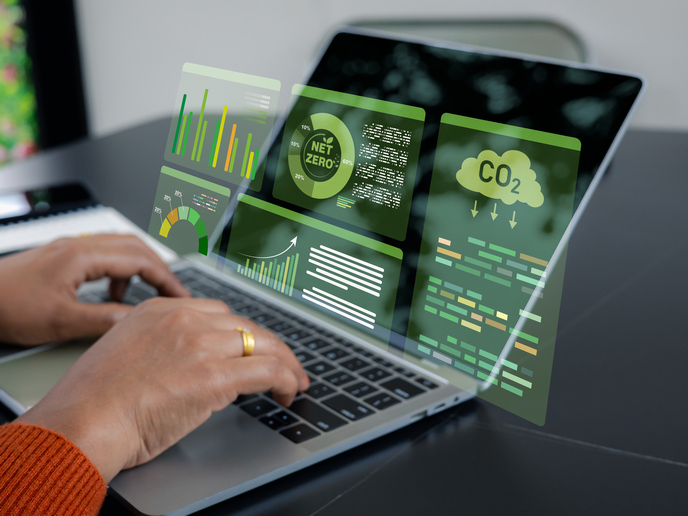
The goal of the AURORA project was to demonstrate ways in which citizens can be empowered to reduce their energy consumption and contribute towards emissions targets. First, several thousand citizens from across Denmark, Portugal, Slovenia, Spain and the United Kingdom worked with the project consortium to develop and trial the AURORA Energy Tracker(opens in new window). The app allows users to track and monitor changes in energy-related behaviour over time and share their progress on social networks. “The app helps citizens to monitor their individual energy consumption,” notes Cristóbal. “For example, how much electricity their household uses. They then receive automated recommendations for reducing their energy consumption in return.” For this, central hubs were established for each country. This was important, as citizens living in Denmark or Spain have different climate and energy needs. Solutions could range from better insulation to something as simple as draft excluders. “This approach fits solutions to a person’s habits and lifestyle,” explains Cristóbal. “If you are reliant on using a car and for work and maybe cannot afford to switch to an electric vehicle, then there are other ways you can cut your energy consumption.”
Power to the people
Another key citizen-focused action was to encourage energy communities. By pooling resources, communities can invest in shared photovoltaic power resources, saving money and energy. Over four months, 163 people raised EUR 140 000 to build an energy community at UPM. This resulted in photovoltaic installations on the campus, contributing to the energy transition in a local way. Energy communities were also established at the University of Aarhus in Denmark, and within a rural community in the south of England. “This gives an idea of the willingness to take collective action,” adds Cristóbal. “We also identified challenges to overcome such as various legal obstacles to creating energy communities and institutional reluctance to invest.”
Citizen empowerment and the energy transition
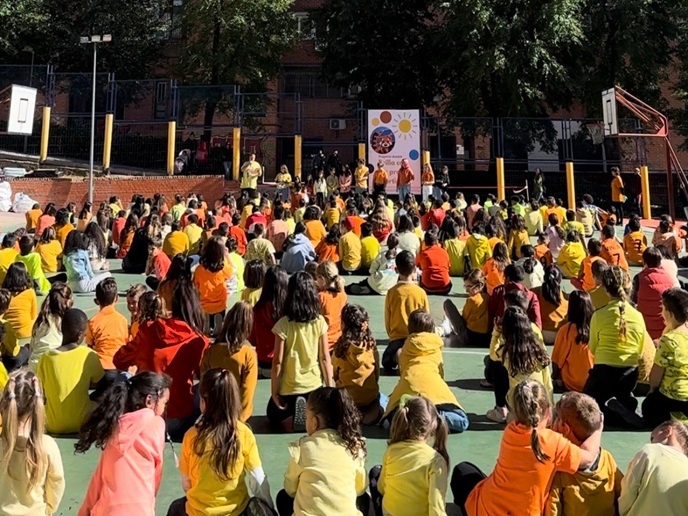
The project created a network of national Ambassadors(opens in new window) – citizens committed to promoting energy-related climate change measures. These ambassadors will continue to help spread AURORA’s message of citizen empowerment. “One of our ambassadors works at the UN’s Environment Programme and opened up a UN forum to us,” remarks Cristóbal. “We were able to share our approach with delegations from almost every country in the world. This is how our message is being spread.” The major success of the project has been to put citizens at the centre of the energy transition, in positions where real change on the ground can be made. “An important lesson we learned was about being flexible,” says Cristóbal. “People have families, work and responsibilities. We need to find spaces where we can engage with people.”