



Improving the quality of life for patients living with chronic heart failure through more integrated care

“Our current fragmented care approach doesn’t always address all patient needs,” explains INCAREHEART(opens in new window) coordinator Åsa Hofsten, a project manager at the regional authority for Jämtland Härjedalen(opens in new window) in Sweden. “They will receive necessary medical care, but there are other elements related to quality of life that need to be addressed.”
Better integrating CHF care
More than 15 million people in the EU live with chronic heart failure (CHF), a progressive condition in which weakened heart muscles are unable to pump sufficient blood and oxygen around the body. The aim of the INCAREHEART project was to improve the integration of CHF care, across diagnosis, acute treatment and long-term care, ultimately improving the lives of patients. To achieve this, a pre-commercial procurement (PCP) initiative was launched to develop new digital care solutions. PCP enables public authorities to share R&D risks and costs with suppliers through prototyping and testing, before large-scale deployment. To begin, the project’s five procuring entities (from Greece, Italy, Portugal, Sweden and Türkiye) identified the main care blocks that needed to be integrated. These included early detection and anticipatory care, care and follow-up, living with CHF, and tending to quality of life. Continuous management of the condition and seamless transition between caregivers was also highlighted. “From this, we drew up an ambitious challenge for suppliers,” says Hofsten. “This included 12 typical CHF use cases to help explain what was needed, as well the various functional, legal and organisational requirements. Patients, family groups and professionals were involved from the beginning in identifying requirements.” Suppliers were challenged to integrate a comprehensive set of key features such as digital shared care plans and monitoring tools into one modular ICT platform. An initial number of 15 suppliers were evaluated and refined to a final two.
Roll-out of digital prototypes
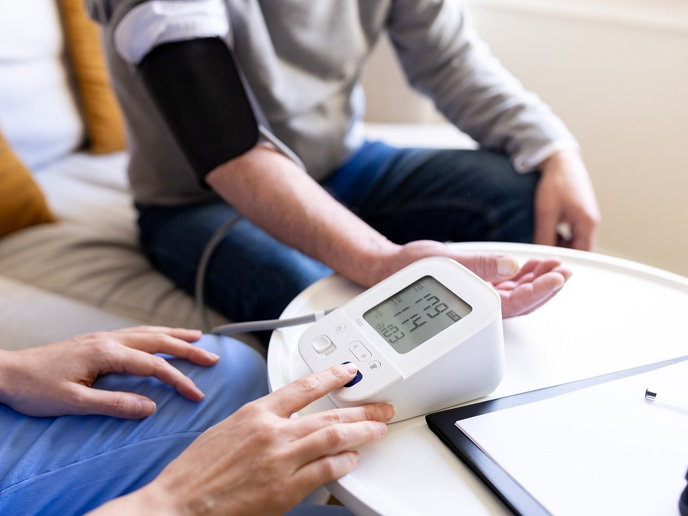
The two selected suppliers – consortia of SMEs and research institutions – developed digital prototypes and rolled these out across the five partner countries. Solutions included wearable sensors, digital scales and blood pressure monitors that patients could use at home. Data collected by these devices was sent automatically to healthcare professionals, allowing earlier intervention when needed. “Carers could quickly see if something was off and take action,” explains Hofsten. “This can help avoid hospitalisation, resulting in major cost savings and better quality of life for CHF patients.” A key element of the project was patient evaluations. “The feedback suggests that integrated digital tools can help patients to manage CHF more effectively,” notes Hofsten. “There were reported signs of better health, and of patients able to move into less severe stages of CHF.”
SMEs, healthcare organisations and patients
INCAREHEART has shown how PCP can be used to develop and test digital innovations that bring care providers, family carers and patients together along a shared care pathway. A key strength of digital tools is that they can give patients a more active role in their own care. “The project also pushed us, as procurers, to think more carefully about what system development involves,” adds Hofsten. “How can we effectively bring knowledge of patients and care into an IT project? We also had to think about varying levels of health system preparedness and digitalisation across different countries.” A key success of the project, Hofsten believes, has been the effective inclusion of SMEs, in addition to healthcare organisations and patients. “SMEs often have difficulty accessing the healthcare sector,” she says. “The PCP approach can help SMEs to expand their market.” Following project completion, the consortia involved in INCAREHEART have been developing plans for eventual commercialisation.