Innovative fuels cells converting diesel to hydrogen


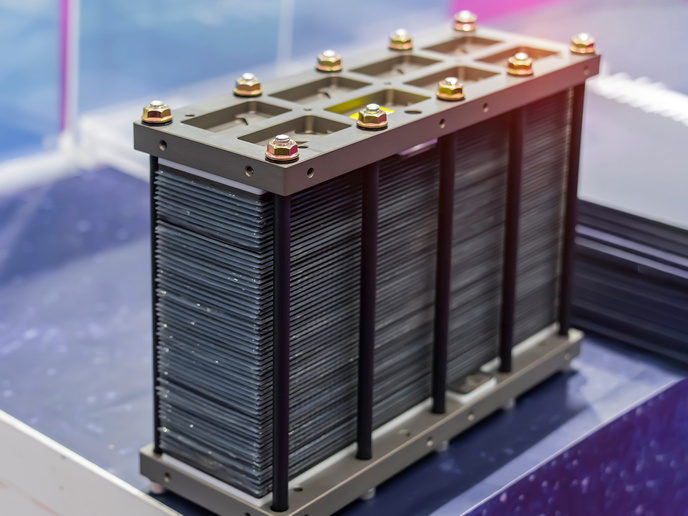
Proton exchange membrane fuel cells (PEMFC) have gained widespread interest as the best alternative vehicular power source to replace gasoline and diesel internal combustion engines (ICE). However, the operating temperature for which they have been developed is less than 100 degrees Celsius, a drawback for many applications. Given that the operating temperature is largely dependent on the membrane of the PEMFC, European researchers designed the ‘Further improvement and system integration of high temperature polymer electrolyte membrane fuel cells’ (FURIM) project to develop new and improved membrane materials for high temperature PEMFC operation above 100 degrees Celsius and based on the use of low sulphur diesel. The researchers synthesised temperature resistant polymers from which they prepared acid-doped membranes. The membranes demonstrated enhanced proton conductivity (protons are hydrogen ions produced by hydrogen, the fuel for the fuel cell), chemical stability and mechanical strength and flexibility in an operating temperature range of 120–200 degrees Celsius. They then optimised a procedure for preparing gas diffusion electrodes and fabricated membrane-electrode assemblies (MEAs). They further developed a fuel processing system to convert diesel into a hydrogen-rich gas suitable for usage in a high temperature PEMFC stack. Research included extensive work on preparation of steam reforming catalysts and high temperature water gas shift (HT-WGS) catalysts. Finally, with the use of system and safety modelling, the investigators produced an integrated proof-of-principle high temperature PEMFC system demonstrating the feasibility of a diesel-fuelled hydrogen-based auxiliary power unit (APU)-like fuel cell power system. In conclusion, FURIM produced a high temperature PEMFC based on conversion of diesel to hydrogen and capable of producing 1,5 kilowatts of electrical power. The results should advance the application of hydrogen-based fuel cells operating at higher temperature ranges than currently possible. These advances promise to overcome the main disadvantage of most PEMFCs, increasing European competitiveness in the fuel cell market and potentially creating new jobs and a boost for the European economy.