Endocrine control of DNA modifications

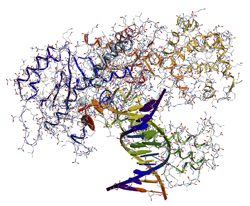
Human reproduction is regulated by gonadotropin hormones levels - luteinising hormone (LH) and follicle-stimulating hormone (FSH), which are released from the pituitary gland. LH and FSH synthesis fluctuates during the reproductive cycle and is activated by the GnRH. The EU-funded project 'The endocrine control of histone acetylation in regulating gonadotropin gene expression' (HATS) investigated the hypothesis that GnRH targets chromatin through histone acetylation. Previous work had shown that GnRH can overcome prolonged periods of gonadotropin gene repression by removing histone deacetylases (HDACs) from their promoters. HDAC enzymes repress transcription through compaction of the basic unit of DNA packaging known as the nucleosome. When transcription is turned on, histones get acetylated by histone acetyl transferases (HAT). The HATS project aimed to study the HATs involved in this regulation, alongside the mechanisms through which they are recruited to the gonadotropin gene promoters. Scientists were able to demonstrate that GnRH induces histone acetylation at the LH gene promoter. This seems to occur through the interaction of GnRH with gene-specific transcription factors and cross-talk between additional histone modifications. With respect to FSH expression, the effect of GnRH on promoter activity was found to be a synergy among different transcription factors and activator proteins. Collectively, the HATS study provided important information regarding the role and regulation of histone acetylation in transcription of the gonadotropin hormone genes. It also begins to shed light onto the mechanisms by which a membrane receptor is capable of translating the signal into histone modification at a specific gene locus.