Jewellery gets a makeover

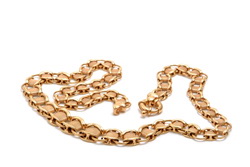
Europe has a fine tradition of jewellery making, represented by numerous artisans and small and medium-sized enterprises (SMEs) across the region. In line with the continent's reputation for producing quality products, the jewellery sector is always on the lookout for ways to improve standards, craftsmanship and safety of its products. The EU-funded project 'Hypoallergenic nickel-free (imitation) jewellery by employing nano-structured galvanic coatings' (Hyponick) developed nickel-free undercoats for precious and semi-precious plated jewellery items that are fully hypoallergenic. It accomplished this through electrodeposition of nanostructured coatings to considerably minimise exposure to nickel. Despite EU directives to the contrary, current technology still uses nickel-based coatings which often produce allergic reactions, particularly on sensitive skin. The project team outlined the materials and configuration requirements of the new paradigm for jewellery coatings by defining coating parameters and testing materials. It was then able to reduce the spread of copper from the undercoat to the gold surface by more than 90 % compared to white bronze, minimising gold surface tarnishing significantly. The team also enhanced durability of gold plated jewellery through improved abrasion and corrosion resistance. Importantly, the new process reduced the costs of coating by 30 %, adding another competitive edge to the industry. Towards the end of the project, Hyponick successfully developed undercoats that were free of nickel, cyanide and lead. It honed new techniques to achieve smooth films and ideal alloys that improve coating. While more work must be done to ensure that gloss and colour are maintained, the project's SMEs were encouraged by the results and ultimately achieved most of their objectives. Study outcomes could help in driving the industry to eventually shift to nickel-free processing.