New superalloy for improved joints

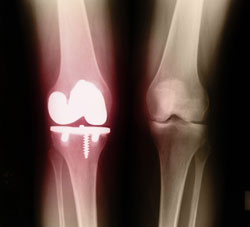
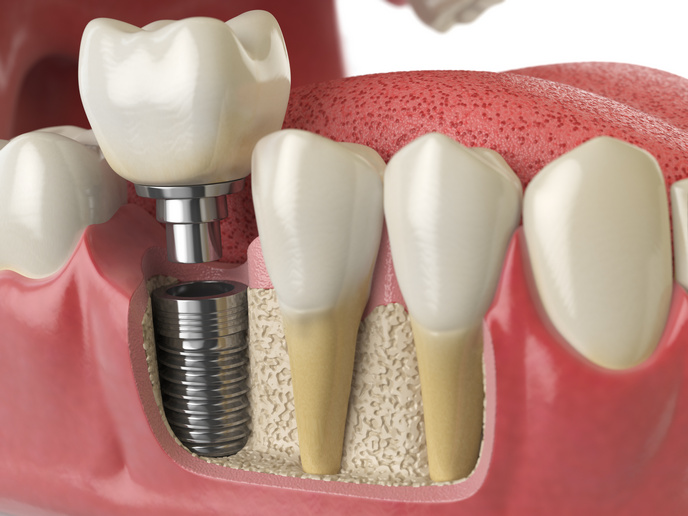
Recent figures project that by 2020 24 % of Europe's population will be aged over 60. This means that for many people, their connective tissue, especially the bone and cartilage element, will require surgical treatment. This need will be particularly acute in the repair of joint disorders and fractures in the hip and knee. To satisfy the growing demand for improved biomaterials for surgical implants, new aluminium-based alloys with improved properties have been developed and tested. An iron-aluminium-chromium (Fe-Al-Cr) intermetallic alloy with yttria (a rare earth oxide) additions produced particularly good results. A powder metallurgy route was also devised and approved during the project. This new material has many advantages over biomaterials that are currently in use. Of significant importance is the absence of nickel, which can act as an allergen and even as a carcinogen. Another improved feature is that tensile strength is higher than that of materials used at present. Corrosion properties are similar to that of current biomaterials in use and projected wear rates are similar also. Biocompatibility, defined as the measure of tissue change induced by the implant, is an important property. In vitro studies using simulated human fluids and cell culture indicate that this new material will exhibit a favourable measure of biocompatibility. Moreover, surface related properties linked to corrosion and wear can be enhanced. This can be achieved by the generation of an adhesive outer alpha-alumina layer through thermal oxidation. The implications of improving the limited lifetime for surgical implants are wide ranging. Increased life expectancy automatically increases the need for revision surgery that is more difficult and has less predictable clinical results than primary joint surgery. In addition, improved biomaterials will decrease levels of aftercare and support products requirements.