Europe joins Africa to fight viral haemorrhagic fever

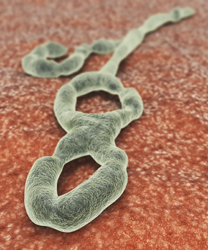
Viral haemorrhagic fevers (VHFs) are a diverse group of diseases caused by certain viruses. Patients present with high fever which may ultimately progress to bleeding, shock and death. VHFs are characterised by different mechanisms of pathogenesis and this is why they exhibit diverse clinical features. For example, the Scandinavian Nephropathia epidemica is a mild disease, while infection by the African Ebola virus causes a life-threatening form of VHF. Nonetheless, the prompt detection of virus strains that cause VHF is central for disease control management and outbreak prevention. Aiming to contribute to this, the EU-funded VHF Diagnostics project focused on developing a cheap, easy-to-use diagnostic tool for VHF. One of the developed assays made use of VHF recombinant proteins (antigens) hybridised on specialised immunoblots, which were subsequently used to screen patient sera. Additionally, a fluorescent PCR-based method was generated for a panel of haemorrhagic fever viruses. All the steps of the PCR method from nucleic acid extraction from blood samples, to actual amplification of viral target antigens were adapted to field conditions, bypassing the need for refrigeration facilities. By performing a long-term field trial in local hospitals, these mobile assays were validated for VHF outbreak investigation. Implementation of these tools in African hospitals is expected to improve VHF viral detection and considerably minimise disease outbreaks.