


Alicante University participates in a project to defend the rights of Roma girls and women in Europe
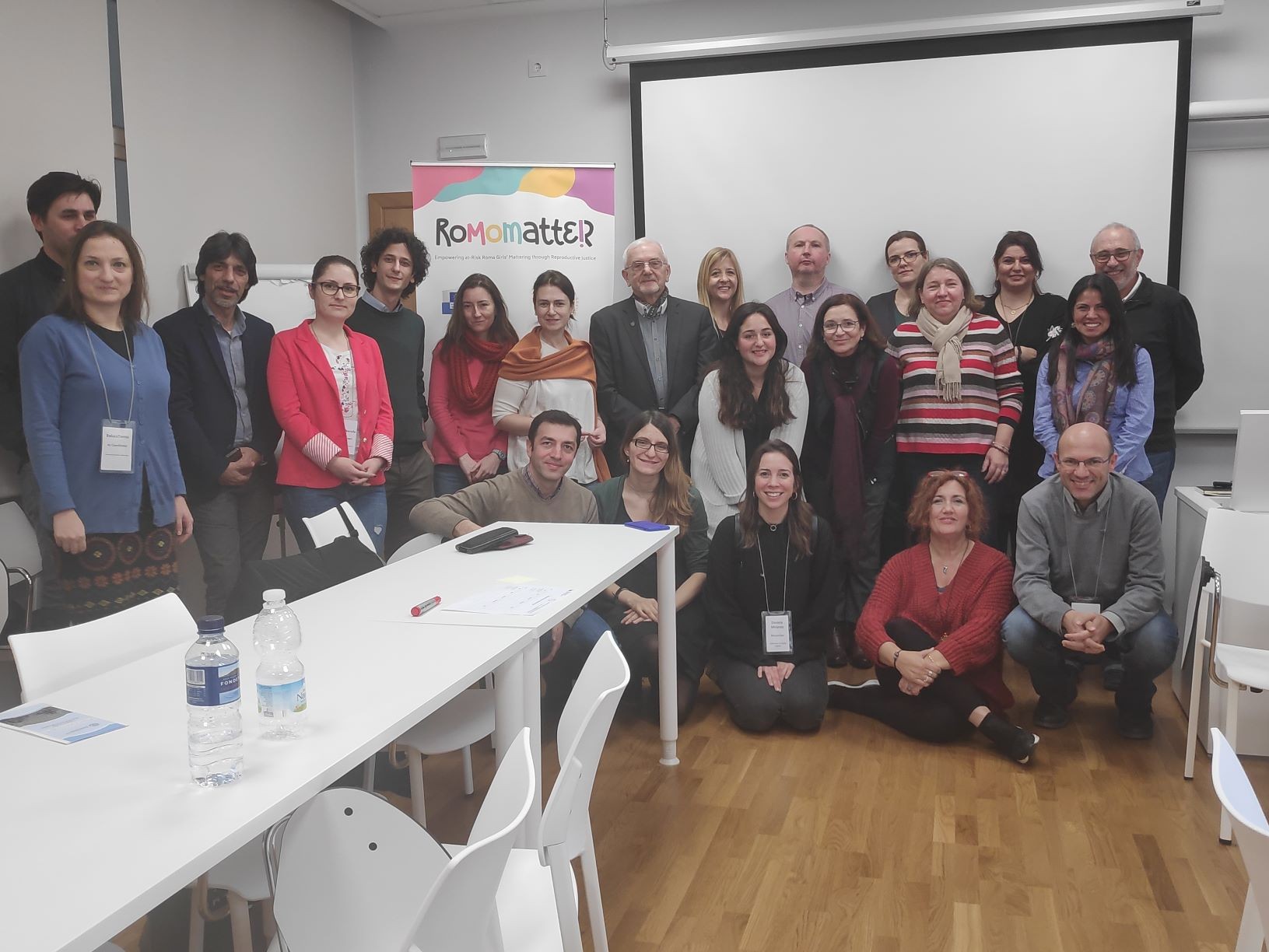
University of Alicante (UA) researchers participate in the project Romomatter! to defend the rights of Romany girls and women in Europe. Funded by the European Commission with €499,000 within the framework of the Horizon 2020 Research & Innovation Programme, the kick-off meeting of the project was held on 28 and 29 January 2019, at the University of Seville Faculty of Psychology. Romomatter! aims to combat the gender discrimination suffered by Roma girls and women living in neighbourhoods at risk of social exclusion. This process is intended to empower them and enable them to identify the oppression they are suffering as women, so as to create a liberating future and advocate for their rights as Roma women. In the kick-off meeting, leading researchers and influential EU community agents established the foundations of the project at different levels: management, quality, involvement of participants, implementation of participatory action processes, assessment and dissemination. Led by the University of Seville Research and Community Action Centre, the Romomatter! consortium has included the participation of Alicante University, Kamira — Roma Women Associations Federation, the Valencia Region Roma Women Associations Federation (FAGA), and community and academic organisations from Romania, Bulgaria, Hungary and the United Kingdom. The interdisciplinary group of researchers from the UA is made up by María José Pastor, Alicia Ferrández and María del Pilar Espeso, from the area of Social Anthropology; Carmen Vives and Diana Gil from the area of Preventive Medicine and Public Health; and Daniel La Parra, María José Sanchis, Francisco Francés and Javier Ullán from the area of Sociology. Amongst the several work groups included in the Romomatter! project, the UA team will analyse and compile all information, methodologies and previous intervention experiences, as explained by researcher Daniel La Parra. This group is also in charge of the dissemination of the project results among potential recipient organisations such as Roma associations, public education and health administrations, and the society at large with products prepared by young Roma people.
Countries
Bulgaria, Spain, Hungary, Romania, United Kingdom