


EU soil research network created
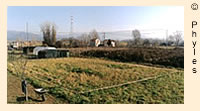
An Italian-led research consortium has recently started work on an EU-funded demonstration project on cleaning lead polluted soil, and have established a network of EU regional environment offices to facilitate the dissemination of similar results. The project, 'Phyles' (phytoextraction of lead from soil), adopts a technique known as phytoremediation, whereby plants with outstanding absorption capacity are utilised to remove heavy metals and other contaminants from polluted soil. The technique is not harmful to the environment and is also far less expensive than the conventional remediation methods currently used. The project will focus on transferring the technique from the laboratory testing to field application. The research team, led by the Italian Institute of cybernetics and biophysics has also identified regional offices responsible for soil protection in each EU Member State. This will facilitate the dissemination of relevant project results to all interested parties in Europe. Expressions of interest in collaborating and sharing expertise have been received by the project coordinators, leading to the creation of a database of relevant addresses. The database will be fully accessible to other research teams engaged in similar dissemination activities in this or related fields. The Phyles experiment site, located near La Spezia in northern Italy, will be open to visitors during spring and summer in 2002.
Countries
Italy