Airway inflammation under attack


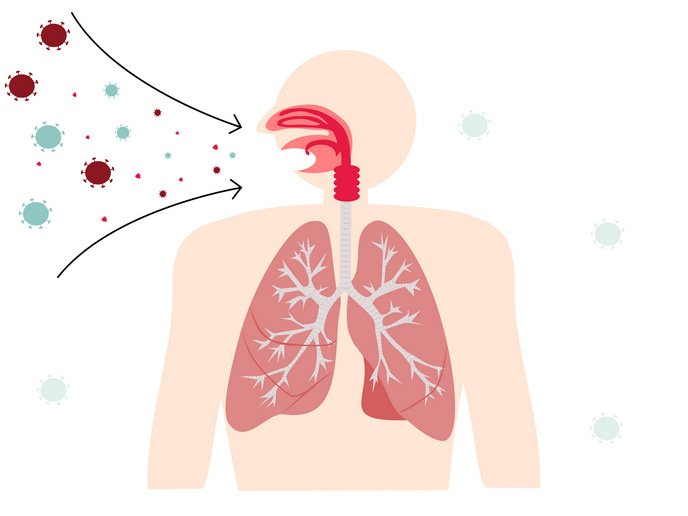
The SP1 AND ASTHMA (A role for the immunomodulatory capsular polysaccharide Sp1 expressed by Streptococcus pneumoniae in the treatment of asthma) project looked into the unique molecular relationship between Staphylococcus aureus and Streptococcus pneumoniae with the host's immune system. These bacteria colonise the upper and lower respiratory tracts respectively. Using robust, reproducible in vivo models, the team first showed that exposure to S. aureus causes an increase in the population of gamma delta T cells. This newly expanded group of T cells grants protective memory against a future infection with S. aureus. They also identified the squamous cell envelope protein loricrin that is targeted by this bacterium to help colonise the nasal passages. Turning to S. pneumoniae, the scientists characterised the toxin pneumolysin as activating the inflammasome, a component of the innate immune system. As it promotes production of Th17 T-helper cells, this is a promising candidate for a vaccine component. Furthermore, exposure to one particular polysaccharide in the S. pneumoniae capsule induced immunomodulatory effects that protect against airway inflammation that occurs in asthma. Research results have featured in a range of high-profile scientific journals, including Asthma, PLOS Pathogens and Journal of Immunology. SP1 AND ASTHMA research results have opened up the field of research into how the bacterial relationship with the host's immune system affects subsequent infection, vaccination and allergic disease such as asthma.