


Studying science linked to higher earnings
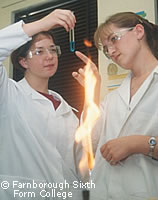
A UK report has found that students specialising in science before going to university are likely to have the highest salaries later on in their careers. The finding was the result of a study by Professor Geraint Johnes of the University of Lancaster, into the relationship between the subjects studied at A-Level (pre-university level) and future earnings. The study showed that those opting for physics, chemistry and biology together at A-Level earn the most later on, while those choosing history and French are likely to have the lowest salaries. 'Students who think physics is nerdy could find that they'll pay for it later in life,' said Julia King, Chief Executive of the Institute of Physics, responding to the study. 'We hope that this report will be widely read by careers advisors as it shows the importance of making the right subject choices and combinations at [age] 16,' she added. The results of the study come shortly after a survey of members of the Institute of Physics, an international organisation, which showed that the highest paid sectors are finance, telecommunications and the electrical industry. Trained physicists were found to be divided equally between three sectors: public, private and education.
Countries
United Kingdom