


Panel finds scientist's cloning to be false
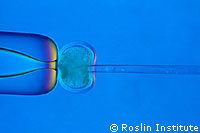
An investigation into research by South Korean cloning scientist Hwang Woo-suk has found that he fabricated two major findings, but did create the world's first cloned dog. In February 2004, Dr Hwang and his team claimed to have cloned human embryonic stem cells. In May 2005, the scientists claimed to have taken their research further, developing stem cells that were tailored to individual patients. A university panel in South Korea, which has spent the last month examining Dr Hwang's work, has now found that the 2004 paper 'was written on fabricated data to show that the stem cells match the DNA of the provider although they didn't'. Referring to the 2005 research, the panel concluded that 'Professor Hwang's team did not have patient-specific stem cell lines, and did not have any scientific basis that the team made them'. Dr Hwang denies that he deliberately falsified the results of his research, and claims that researchers in his laboratory could have switched some of his samples, leading to erroneous results. The panel is expected to impose sanctions on Dr Hwang, although the nature of these sanctions has yet to be announced. The panel did confirm that Dr Hwang and his team had managed to clone an Afghan hound. The three-year old dog called Snuppy (Seoul National University puppy) is genetically identical to his father, according to DNA tests ordered by the investigating panel.
Countries
South Korea