


US scientists report first successful transplants of laboratory-grown bladders
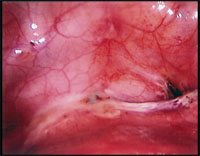
Scientists in the US have succeeded for the first time in 'growing' human bladders using tissue engineering, and implanting them into patients with defective bladders. Seven children with severe congenital bladder diseases, causing the bladder to leak as frequently as every 30 minutes, now have one of the new bladders. The scientists, led by Dr Anthony Atala, took a bladder biopsy from each, and from this grew muscle cells and bladder cells in the lab. The cells were placed over a biodegradable mould, where they were left for between seven and eight weeks, and grew together to form an intact bladder. The bladder was then attached to the patient's bladder by surgeons. The first operation was conducted in 1999. 'It is rewarding when you can see the improved quality of life in these patients. We wanted to go slowly and carefully and make sure we did it the right way. This is a small, limited experience, but it has enough follow-up to show us that tissue engineering is a viable tool that will allow us to tackle problems of similar magnitude,' said Dr Atala. Each patient has been followed up for an average of four years, and all have reported improved bladder function. Some patients were followed for more than seven years, and their bladders showed improved function over time. In addition, the procedure was found not to induce the ill-effects associated with using bowel tissue, which include metabolic changes, the formation of adhesions and fibrous tissues that bind together unconnected body parts, osteoporosis, kidney stones and cancer. Dr Atala says that the approach needs further study before it can be widely used, and additional clinical trials are scheduled to begin later in 2006. Scientists had previously tried using skin, fatty tissue and placenta, Teflon, resin-sprayed paper and silicone to replace a bladder, but none of these had proved successful. The team is now hoping to replicate this success with other tissues and organs. The scientists are using the same technique in attempts to grow 20 different body parts, including blood vessels and hearts. The results of the research have been published in The Lancet.
Countries
United States