


Europe needs an integrated energy policy, says EEA
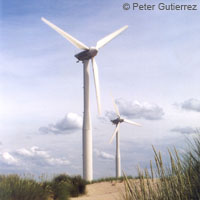
Europe needs an integrated energy strategy which gives equal weight to energy security, competitiveness and environmental sustainability, according to a new report by the European Environment Agency (EEA). The report, 'Energy and environment in the European Union: Tracking Progress towards Integration', advises that the EU's future energy supply should be based on a portfolio of technologies, alongside measures to reduce total energy consumption. In particular, it recommends greater use of renewable energy. 'Ensuring a long-term integrated energy framework is urgent due to the imminent need for investment in energy production infrastructure,' commented Professor Jacqueline McGlade, Executive Director of the EEA. 'This opens up opportunities for an environmentally sustainable development of the energy sector enhancing renewable energy and energy efficiency.' Specifically, the report calls for increased funding into energy research and development, to support technologies from the drawing board, right through to market commercialisation and widespread deployment. The report's authors tracked key trends in the energy sector in Europe between 1990 and 2003. They found that technological advances, such as more efficient power plants or the introduction of abatement measures like catalytic converters in cars, and developments in the renewable energy field, are being undermined by an increase in energy use. The rapidly growing demand for transport and electricity is of particular concern, as these continue to rely largely on fossil fuels. While greenhouse gas emissions from energy production fell throughout the 1990s, since 1999 they have risen steadily, thereby cancelling out improvements achieved in other sectors and putting at risk the likelihood of the EU achieving its emission reduction targets. Non-greenhouse gas emissions from energy production have fallen sharply during the period studied, but both human health and the environment continue to be affected by air pollution, and a number of cities in the EU still have levels of air pollution which exceed legal limits. On the issue of nuclear power, which is currently being debated in a number of EU Member States, the report notes that an acceptable method of dealing with waste from nuclear power stations has yet to be identified and implemented. Last week, a similar report from the International Energy Agency (IEA) also stressed the importance of acting now to implement energy saving measures and promote a wider mix of energy technologies. 'Energy Technology Perspectives: Scenarios and Strategies to 2050' highlights the need for governments around the world to encourage investment in energy technologies. 'Clean and more efficient technologies can return soaring energy-related CO2 emissions to today's levels by 2050 and halve the expected growth in both oil and electricity demand,' said Claude Mandill, Executive Director of the IEA. 'We have the means, now we need the will.'