


Helping developing country farmers adapt to climate change
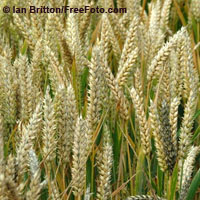
The world's largest alliance of international agricultural research centres is embarking on a new effort to intensify and streamline agricultural research in order to reduce the vulnerability of developing countries to climate change. The Consultative Group on International Agricultural Research (CGIAR) brings together 15 agricultural research centres from around the world. It is funded by international organisations, including the EU, national governments and private research foundations. 'Developing countries, which are already home to most of the world's poor and malnourished people and have contributed relatively little to the causes of global warming, are going to bear the brunt of climate change and suffer most from its negative consequences,' said Dr Louis Verchot of the World Agroforestry Centre. According to Dr Robert Zeigler of the International Rice Research Institute, climate change will make it even harder to meet the challenges of reducing poverty and producing enough food to feed a growing population. 'The livelihoods of billions of people in developing countries, particularly those in the tropics, will be severely challenged as crop yields decline due to shorter growing seasons,' he commented. A recent study showed that temperature increases and changes in rainfall patterns will decrease the growing periods by more than 20% in parts of sub-Saharan Africa. At greatest risk are the countries of East and Central Africa, such as Rwanda, Burundi, Ethiopia and Niger, which are already the poorest countries on the continent. Another study forecasts that due to drier weather, India's best wheat-growing land will halve in size by 2050. The diminished yields will leave at least 200 million people at greater risk of hunger. 'Poor countries are overwhelmingly dependent on natural resources, and, given their limited financial or institutional ability to adapt to profound change, they are severely at risk,' said Dr. Zeigler. 'Helping poor farmers adapt to climate change will require a concerted international effort to improve crops, techniques of cultivation, and soil and water management.' The new climate change agenda outlined by the research centres will focus on developing climate-ready crops, helping farmers use their resources more efficiently, and managing agriculture's contribution to climate change. Researchers are already developing varieties of crops which are able to withstand increased temperatures, droughts and flooding. In the tropics, many crops are already growing at or near their thermal optimum. This means that even a 1°C temperature increase during the growing season can lead to a significant drop in yields. In other parts of the world increased rainfall will pose problems for rice farmers. Researchers are developing varieties of rice which are able to survive prolonged periods of submergence, as well as varieties which are more efficient at converting sunlight and carbon into grain. For regions like southern Africa, which are faced with lower rainfall and more droughts, researchers are developing maize that can tolerate prolonged dry periods and infertile soils. The researchers will also place an emphasis on improving farming methods and techniques so that farmers can make full use of their limited soil and water resources. In many farming systems, 70% of the rain that falls on the crop either evaporates or runs off the land and so cannot be used by the plants. Researchers are working to improve rainwater collection and storage systems and perfect drip irrigation technology, which deliver the right amount of water to the right place, when it is needed. They are also developing soil management techniques which increase the soil's water retention capacity. The third area of research looks at how farmers can contribute to the net reduction of atmospheric carbon. Projects in this area include helping farmers participate in carbon sequestration projects, and helping slash and burn farmers earn a living from the forests instead of destroying them. However, the researchers emphasise that while their efforts will help farmers adapt to climate change, reducing greenhouse gas emissions must remain a priority. 'Anticipating and planning for climate change is imperative if farmers in poor countries are to avert forecast declines in yields of the world's most important food crops,' said Dr Verchot. 'Yet, adaptation is not a substitute for reducing new and removing existing greenhouse gases from the atmosphere - our only long-term option.'