


CESAR project could hail greener aircraft
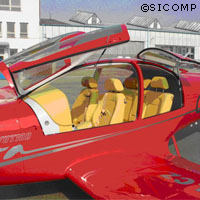
As rivals Airbus and Boeing battle it out for the top spot in the large aircraft long-haul market, an EU funded project is seeking to develop a novel, lighter and small passenger aircraft for 10 to 50 passengers with a lower environmental impact. The three-year Cost Effective Small Aircraft (CESAR) project involves 35 commercial and academic organizations from 14 European countries with a budget of nearly €34 million. According to the researchers, in comparison to the latest breed of high-tech jumbo jets, the control systems of small passenger aircraft have not seen any significant technical advance for a number of years. The team of engineers led by Nigel Schofield will therefore focus on developing electrical systems to operate external flight control surfaces like the rudder, wing flaps and the landing gear. Dr Schofield, who works in the Power Conversion Group within The School of Electrical and Electronic Engineering at the University of Manchester, said: 'the grant we have received will allow us to employ two full-time researchers to carry out extensive research into how electromechanical and electro hydraulic systems can be effectively applied within small aircraft.' The team of researchers believes that by replacing the bulky mechanics with more electrically based systems will lead to a reduced mass and improvements in energy efficiency. This will in turn mean less fuel burn and less carbon dioxide being pumped into the air. Dr Schofield said: 'It certainly won't provide a solution to the huge problem of aircraft emissions, but it could lead to cheaper, smarter and more environmentally friendly aircraft taking to the skies.'
Countries
United Kingdom