


UK regulators give go-ahead to hybrid embryo research
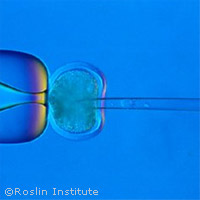
The UK's Human Fertilisation and Embryology Authority (HFEA) has decided to allow scientists to create human-animal embryos for use in research. Scientists wishing to use these embryos will still need to make individual applications to the HFEA. 'Having looked at all the evidence the Authority has decided that there is no fundamental reason to prevent cytoplasmic hybrid research. However, public opinion is very finely divided with people generally opposed to this research unless it is tightly regulated and it is likely to lead to scientific or medical advancements,' says a statement from the HFEA. Researchers around the world are using stem cells from human embryos in research intended to further understanding of a number of diseases. Many believe that embryonic stem cells may lead to new therapies. Currently scientists must rely on human eggs left over from fertility treatment. But these are in short supply, and the eggs are not always of a high quality. Using animal eggs will allow scientists to push ahead, avoiding these restrictions. 'The decision on how the HFEA should approach the licensing of human-animal hybrids and chimera research has presented a particular challenge as this research is so novel in legal, scientific and ethical terms,' reads the HFEA statement. The decision followed a detailed consultation that gathered views from scientists and the wider public about the issues raised by this research. The result is 'not a total green light for cytoplasmic hybrid research', the HFEA emphasises, but instead 'recognition that this area of research can, with caution and careful scrutiny, be permitted'. The Authority will now examine two research applications submitted last year. The HFEA statement claims that public opinion accepts that human-animal research may have some value, but adds that there is a clear demand for further information on what researchers are doing. This highlights a need for better communication about research from both scientists themselves and the HFEA, the Authority states.
Countries
United Kingdom