


Second-hand is cheaper but wreaks havoc on environment
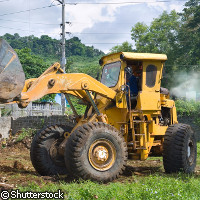
Developing countries purchase second-hand merchandise like factories and tools from Europe and the US to save money and make good use of items that are still too young for the bin. But has anyone ever considered what these products do to the environment? Writing in an upcoming issue of the International Journal of Global Environmental Issues, researchers from France and Luxembourg contend that the export of old tools and technologies abroad has deterred countries from adopting technology that is both non-polluting and friendlier to the environment. The University of Luxembourg's Dr Benteng Zou and PhD student Luisito Bertinelli, along with Professor Eric Strobl of the Ecole Polytechnique in France, compared old and new technologies and the pollution they generate in the developing world. The research shows that the buying and selling of old tools and equipment has triggered growth in the developing world in recent years. The main reason for their decision to participate in this trade is because they lack capital. Purchasing second-hand goods was a boon for them because they were able to obtain previously unavailable technology. However, the problem with purchasing older tools and equipment is that they entail greater physical effort on the part of the user. Not only are these technologies in need of more repair work, say the researchers, but they are also less automated. Another line of argument is that buying older technologies effectively boosts the baseline pollution level and puts the period for dropping pollution levels on the back burner. 'We set forth to model how the decision to adopt older and dirtier technologies affects the relationship between economic development and pollution,' the researchers say. The team used an economic system called 'vintage capital structure'. This system basically examines the different resources and levels of pollution. What is unique about this model is that it allows the researchers to determine when to replace old tools and equipment with newer and more innovative technologies. The system also enables them to evaluate how pollution will be affected by the changes. 'If one assumes that older technologies are more environmentally unfriendly, then the decision of when to scrap these and what type of technology (i.e. used or new) to adopt [in their place] is likely to be an important determinant of the extent of pollution generation,' the researchers point out. From a policymaking perspective, the researchers maintain that countries opting for older technologies may burn fewer holes in their pockets in the short term but will feel the weight of their decisions in the long term. Higher pollution rates and delays in reaching a sustainable growth phase could be the results of their decisions, they warn. 'Pressures put on developing countries in order to reduce their barriers to imports of used goods should thus be balanced against the costs of supplementary pollution that the use of older technology will induce,' the researchers underline.
Countries
France, Luxembourg