


EU researchers gather citizens' views on the ocean
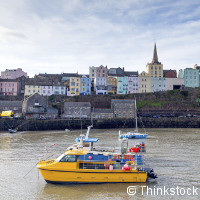
The sea is a wonderful source of natural wealth. Half the planet's sunlight falls on seas and oceans and half the organic matter is created there. Fish and shellfish are the fastest growing source of animal protein worldwide. The huge diversity of marine genetic material sea life is already beginning to deliver food and medicines for us. However, at the moment, we are failing to sustainably manage our seas and are overseeing the diminishment of this vast source of natural abundance. The FP7-funded SFS ('Sea for Society') project is a response to the ever increasing need to ensure the sustainable management of marine ecosystem services while also supporting economic development. Working under the slogan, 'Towards a Blue Society, towards a new society', the project seeks to engage stakeholders, citizens and youth in a participatory dialogue to share knowledge, forge partnerships and empower everyone concerned on issues related to the ocean. Now, two years after the project first launched, phase one has come to an end. The SFS team has successfully brought together stakeholders, individual citizens and youth at mutual learning, consultation sessions in nine countries across Europe. SFS organised a total of 39 forums in France, Greece, Ireland, Italy, Norway, Poland, Portugal, Spain and Sweden, representing the marine regions of the Baltic and North seas, the English Channel, the Mediterranean and the Atlantic Ocean. The consultation forums provided participants with an opportunity to discuss how European citizens engage and relate with the seas. This dialogue focused on six themes linking marine environment to their everyday life: human health, energy, leisure and tourism, transport, a place to live and food supply. The results of the consultation forums, which used a 'collective intelligence' methodology, are currently in the final stage of analysis. They are being compared and analysed on a transnational basis in order to identify commonalities and differences across the different regions and cultures in Europe, and will provide an update on European citizen's perception of the ocean. The SFS team hopes that the results of the consultation phase will lead to mobilisation actions being taken at a European and national/regional level to address the concerns highlighted by participants. Ultimately, this work will feed into one of the project's main objectives, which is to develop and enrich the concept of a 'Blue Society' as a basis for improved governance of the ocean. The Blue Society is a new concept that is now being defined by 16 experts within the consortium. Inspired by the 'Green Economy' concept, it is based on the premise that we should be using the sea to both satisfy the needs of our planet's inhabitants today and preserve the means of subsistence for the generations to come. According to the project team, among other things, the Blue Society is about 'believing in our imagination, in the sharing of experience and in sustainable and progressive development.' The definition will be refined by the expert group according to citizens' perceptions on the ocean collected at the dialogue sessions. Led by Nausicaá in France and involving 20 partners and 12 countries, SFS will reach completion in November 2015.For more information, please visit: SFS http://seaforsociety.eu/np4/home.html(opens in new window) Project factsheet
Countries
France