A step forward for biodegradable electronics

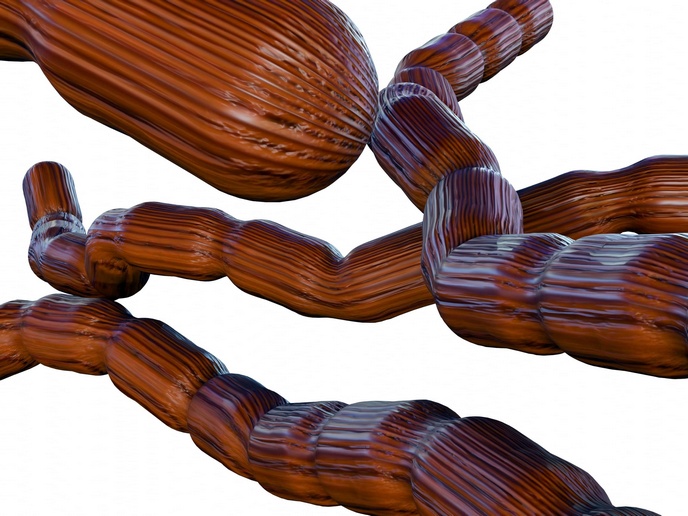
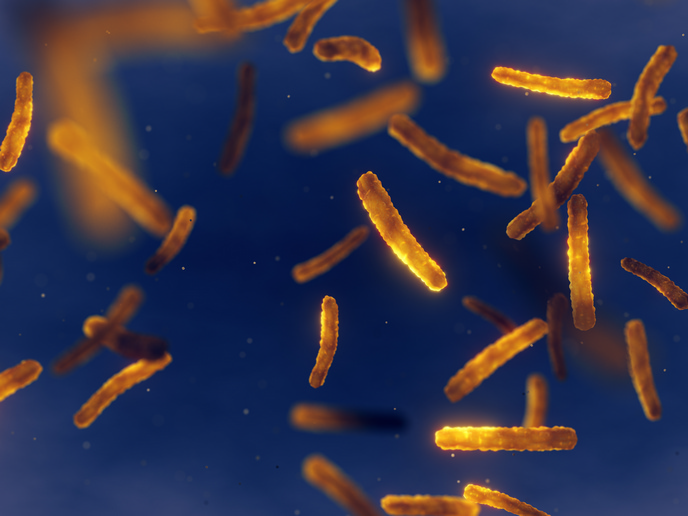
A filamentous, multicellular organism, found in freshwater and marine sediments, is capable of transferring electrons over centimetre-scale distances. Cable bacteria(opens in new window), as they are known, can facilitate electron transport by oxidising sulfide in the deep sediment and transporting electrons to reduce oxygen at the surface. And there are a lot out there: Within a 15 cm top layer of sediment, cable bacteria densities providing a total length of up to 2 km per square centimetre of surface have been noted(opens in new window). Kartik Aiyer(opens in new window) a Marie Curie postdoctoral fellow(opens in new window) based at the Center for Electromicrobiology at Aarhus University(opens in new window), explains: "They are unique in their ability to divide metabolic labour(opens in new window) among different cells of the cable. In other words, while some of the cells buried in the anoxic sediment generate energy by oxidising an electron donor (most commonly sulfide), other cells reduce oxygen at the oxic zone performing a different redox-half reaction(opens in new window).” The Cable electricity O2 project set out to develop a bioelectrochemical system that switches between power generation and energy storage, using the bacteria. The goal is to power a microprocessor biologically, which, if successful, could pave the way for biodegradable electronics.
Cable bacteria-enriched cultures generate electrical current
The bacteria were integrated into a power management system consisting of a microprocessor chip, a current and voltage-measuring circuitry and a microcontroller to power the microprocessor with electrons obtained from the sediment. To investigate the potential electroactivity of cable bacteria, a three-electrode cell consisting of a carbon felt working electrode, Ag/AgCl reference electrode and Ti counter electrode was inoculated with freshwater sediment. “The sediment was enriched with the single-strain E. aureum GS. No other cable bacterium strains were present. After inoculation, the current demonstrated a sigmoidal increase,” says Aiyer. To get a clearer understanding of the specific contribution of cable bacteria to the overall measured current, another set of three-electrode cells was inoculated with autoclaved sediment. “We added approximately 10 clean cable bacteria after fishing them from the sediment using sterilised glass hooks. Compared with autoclaved sediment controls, the addition of live cable bacteria produced a clear rise in current, highlighting their specific role in driving the system’s electroactivity,” Aiyer notes.
Bacteria-powered processors for biodegradable electronics
The team successfully grew cable bacteria on electrodes. This took longer than expected, but a reproducible system has been established, as shown in their recent paper(opens in new window). Aiyer feels this establishes the biological foundation for power generation, part of a general focus on finding ways of generating biocompatible and biodegradable electronic devices. The project’s most important finding was that cable bacteria can be grown directly on electrodes instead of growing them with oxygen as is seen in nature. Support from the EU led to this discovery. “We already understood their ability to move electrons internally over centimetre distances, but we did not know they could also exchange electrons directly with solid surfaces like electrodes. Demonstrating this behaviour gives us, for the first time, a controlled way to study how cable bacteria interact electrically with their environment – an essential step before any practical applications can be developed.”