Innovating for fertile soil and healthy crops

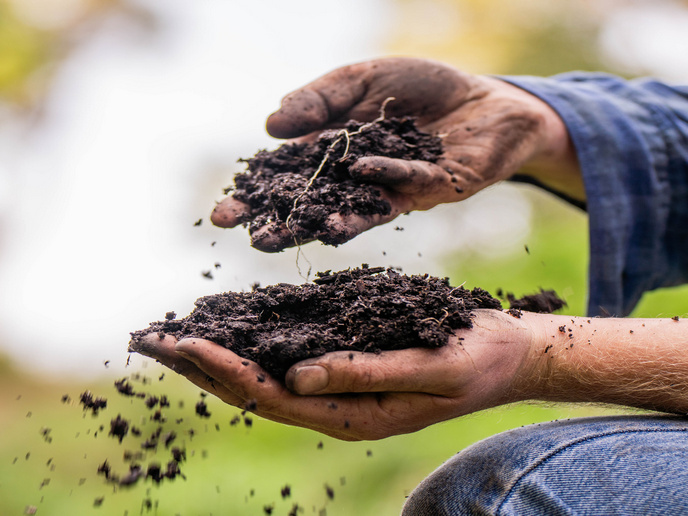
The SPIN-FERT(opens in new window) project is revolutionising soil management in horticulture. Launched in 2024, it has set out to transform agricultural by-products into high-quality fertilisers and peat-free substrates, doing its part to promote eco-friendly farming, with a focus on soil health.
Reversing the trend
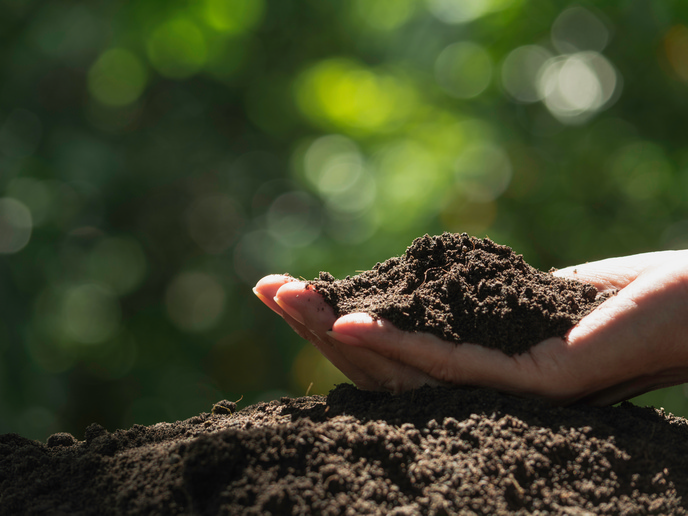
Across Europe and beyond, soils are under growing pressure from erosion, salt build-up, desertification, and loss of organic matter and biodiversity. Intensive farming and other human activities have sped up these processes in what is essentially a fragile and non-renewable natural resource. As part of the EU’s efforts to reverse current trends in soil degradation, SPIN-FERT is tackling the long-standing bottlenecks that prevent the adoption of soil health-improving practices. Its strategy includes developing new formulations to improve the use of biostimulants (substances that improve nutrient uptake, stress tolerance, crop quality and growth), as well as standardising peat-free substrates and advancing farmers’ implementation of integrated soil management. It also involves developing a coherent policy framework that encourages environment-friendly practices and peat-free substrates. At the core of SPIN-FERT is an integrated approach that takes advantage of the soil microbiome’s capacity to reduce its reliance on mineral fertilisers and synthetic pesticides. The approach involves combining the use of microbial and non-microbial biostimulants and organic fertilisers with other soil management practices, such as cover cropping and minimum tillage. A key feature of the project is its development of high-quality biostimulant formulations – liquids, solids and gels – for different application methods. “These innovations facilitate the production of multifunctional products and enable their use across diverse cropping systems, thereby enabling the design of crop-tailored fertilisation and soil health management strategies that exploit the integration of pre-, pro-, and postbiotics, similar to the current approach to human health,” writes researcher Eligio Malusà of SPIN-FERT project coordinator National Institute of Horticultural Research, Poland, in an article(opens in new window) posted on the ‘Open Access Government’ website. The project team is also integrating three AI-supported tools to monitor and predict soil quality and health. Designed to support farmers, advisors and policymakers, these tools include a lab-on-chip device to track bioinocula, a robotic image analysis system to assess microbial and nematode biodiversity, and a smell sensor to estimate soil microbial activity through volatile compound patterns. Beyond soil fertility, the project is also addressing the environmental cost of peat use. Peat remains the dominant component of growing media in the EU, yet its extraction threatens sensitive peatland ecosystems. SPIN-FERT is therefore working to optimise the production of peat-free substrates by combining high-quality composts, selected microbial inocula and waste-derived humic substances.
More weapons against soil degradation
Education, training and artistic engagement are also being harnessed to enhance knowledge and awareness among citizens. As Malusà observes, “policies or technological innovations that require modifying citizens’ common behaviour need to reach people’s emotions, without which their efficacy, implementation, or adoption is not guaranteed. The SPIN-FERT consortium of scientists, manufacturers, practitioners, and artists is aware of this challenge and is putting its efforts to the highest level to overcome it.” One such effort was the art-science project ‘The Breath of Soil – Memory Nexus’(opens in new window) held in Berlin in 2025. Part of the SPIN-FERT (Innovative practices, tools and products to boost soil fertility and peat substitution in horticultural crops) project, it explored the intricate relationship between soil and humans. For more information, please see: SPIN-FERT project website(opens in new window)