An island test bed for renewable energy solutions



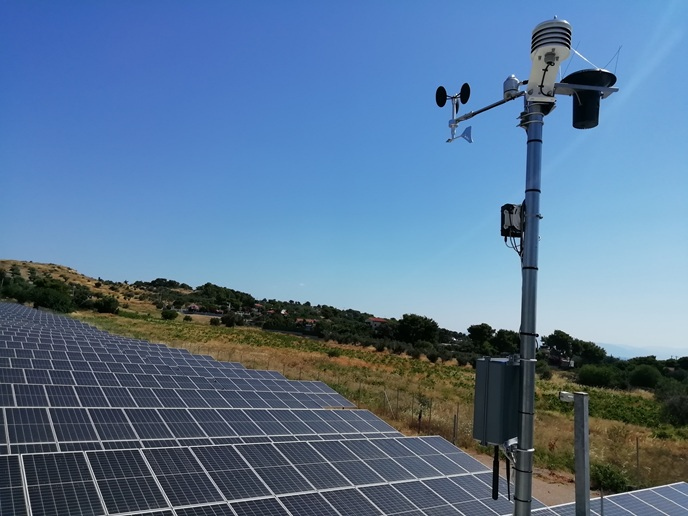
The EU-funded CRETE VALLEY(opens in new window) project is using Crete’s rich renewable energy potential to show that clean sources are, in fact, able to meet the island’s energy needs. The renewable energy valley (REV) it has set up there is a decentralised, affordable energy system that strengthens local self-sufficiency and energy security. This will further Greece and Europe’s transition to climate neutrality. Islands struggle with unstable energy demand, costly production, weak grids and funding gaps. Even so, their rich renewables, tight-knit communities and high energy prices make them perfect test beds for new energy solutions. “Crete is one of the richest landscapes in terms of renewables because of its abundance in natural resources and plethora of climate conditions,” explains Elissaios Sarmas of CRETE VALLEY coordinator Institute of Communication and Computer Systems, Greece, in an article(opens in new window) posted on the project website. “For almost 300 days a year it’s full of sun, so it’s the perfect place to harness solar energy through photovoltaics. There’s also a very big wind capacity in mountainous regions, so we can install wind turbines – plus there’s great potential from agricultural and livestock farming byproducts.”
All in the community
REVs are decentralised systems designed to transition regions to sustainable, self-reliant energy hubs that generate, distribute and use renewable energy within the same geographical area. The Cretan REV consists of four community energy labs, each of which rely on different renewable sources. These are solar, wind and biomass (Arkalochori), solar and geothermal (Arvi), wind and biogas (Lasithi Plateau), and hydrogen (Atherinolakkos). The aim is for these labs to create renewable energy solutions to meet the annual energy demands of the local communities, while involving them in energy production and management. Beyond overseeing energy production, the communities are also a gateway to understanding local needs, which facilitates the development of tailored solutions to meet such needs.
Overcoming the challenges
CRETE VALLEY is tackling a number of challenges related to stakeholder engagement that are normally encountered in projects such as this. To overcome the regulatory frameworks favouring bigger players and new stakeholders’ lack of knowledge about energy systems, the project is co-designing a shared vision of REVs, engaging community opinion leaders and hosting thematic lab sessions. Resistance to energy projects often reflects concerns about local identity, trust and lack of community benefit rather than simple opposition to development. CRETE VALLEY is easing these concerns by recognising place-specific characteristics, using participatory mapping to gain insight into people’s sense of place and actively engaging less visible groups. While community energy can reduce energy inequities, it can also exclude vulnerable groups if participation requires resources or expertise they lack. The project team maintains legitimacy through iterative stakeholder mapping, co-designed engagement activities and targeted activities to ensure inclusive processes. Through these practices, CRETE VALLEY (Crete Renewable Energy Valley) is proving that the island of Crete can be transformed into a sustainable, decentralised energy system that can meet its energy needs through renewable sources. Notably, it is setting an example that can be replicated in other parts of Europe, too. For more information, please see: CRETE VALLEY project website(opens in new window)