Advancing bio-based manufacturing with biomass residues

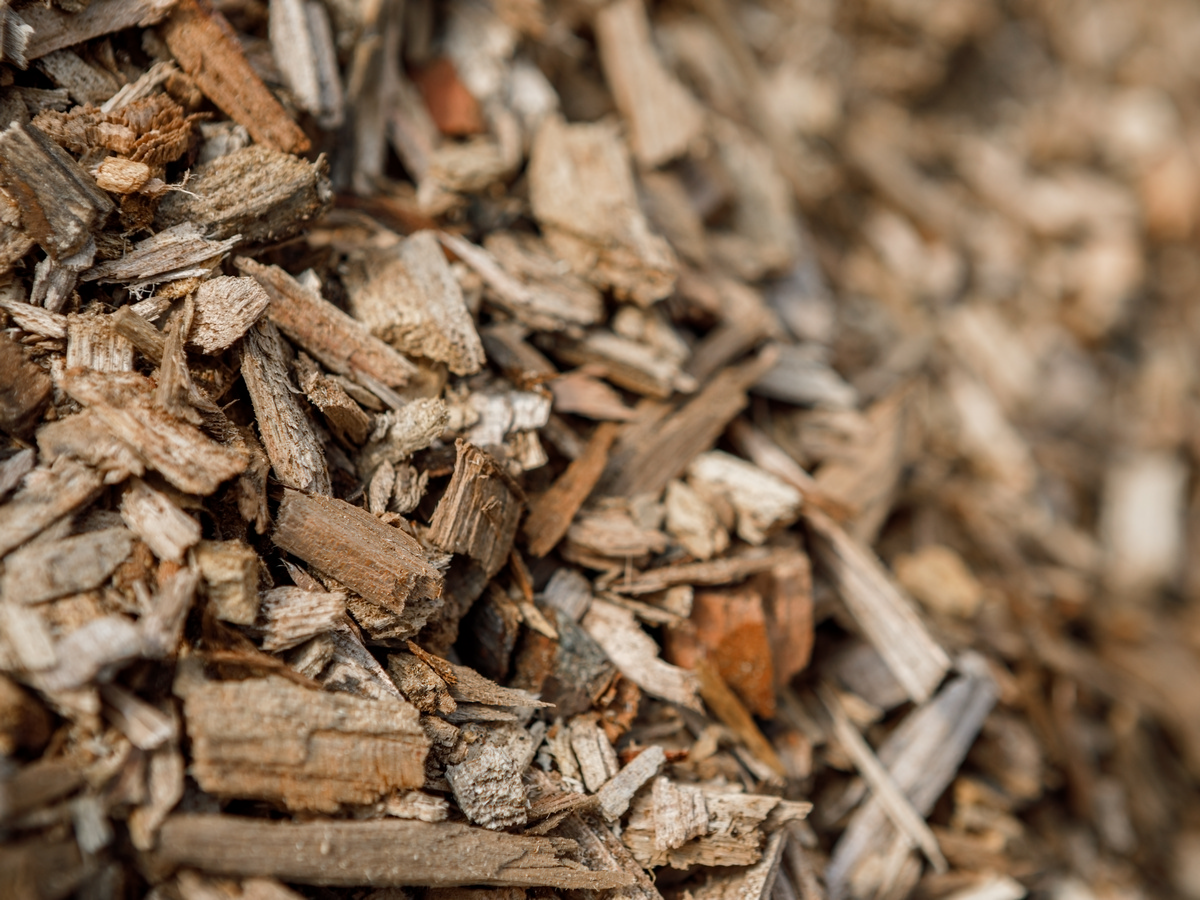
A circular economy requires not only renewable feedstocks, but also the replacement of hazardous substances embedded in today’s materials. The EU-funded NewWave(opens in new window) project set out to introduce sustainable, bio-based raw materials into several manufacturing lines, directly substituting toxic and fossil-derived chemicals. Using residual biomass as its starting point, the project combines conversion, product development and recycling strategies to reduce environmental impact across entire value chains. NewWave’s approach is based on thermochemical fractionation (TCF). “TCF is a unique technology that unlocks biomass and makes it available for the manufacture of green chemicals and products without adding chemicals or enzymes,” explains Bert Van de Beld, NewWave project coordinator. The first step of this process is fast pyrolysis, where biomass is rapidly heated in the absence of oxygen to produce fast pyrolysis bio-oil (FPBO). The second step fractionates FPBO based on chemical functionality, generating a reactive lignin fraction – a natural polymer found in wood – and a sugar-rich fraction, used as precursors for producing polymers and solvents.
Replacing fossil and toxic chemicals
NewWave translated these fractions into multiple manufacturing lines, including engineered wood panels, bio-polyols for polyurethane applications, furan-based chemicals – used as alternatives to plastics, solvents and resins – and novel modified wood products. These lines address technical and market demands, building on earlier EU research, including the Bio4Products project. A key innovation involved the substitution of phenol and formaldehyde in wood adhesives. “We successfully developed and tested medium-density fibreboard (MDF) and plywood resins using pyrolytic lignin to substitute phenol at high percentages,” says Van de Beld. NewWave also synthesised a plywood resin with 100 % substitution of formaldehyde by 5-hydroxymethylfurfural (HMF), an organic compound formed by the dehydration of reducing sugars. In parallel, the project developed a new class of bio-based modified wood materials for construction. “They are designed to replace conventional toxic or fossil-based preservatives such as copper salts, organic biocides and creosote,” explains the project coordinator. Laboratory testing showed that the new modified wood “eliminates toxic preservatives while still achieving durability class 2 against brown rot, white rot and moulds.”
Recovering water and energy in circular manufacturing
Wastewater treatment and water reuse are integral to NewWave’s essentially waste-free manufacturing processes. Wastewater streams generated during TCF and downstream production lines are treated using tailored combinations of biological and physico-chemical processes. This enables both water recycling within the process and energy recovery. A major outcome is the conversion of highly concentrated industrial wastewaters into a valuable source of biogas with high methane content, supported by optimised nutrient and trace element dosing for these specific streams. “To our knowledge, the data we created is novel, and there are no existing publications demonstrating such high-efficiency conversion of industrial wastewaters into biogas,” notes Van de Beld. Most technologies developed by the project show high technical potential, with several products reaching pilot-scale maturity. TCF is expected to become commercially available within the next years, and a first-of-a-kind FPBO fractionation unit is expected to be operational in 2027 in the Netherlands. By exploring new routes across its technologies, NewWave clarified pathways for advancing bio-based materials. “Now, the consortium has a stronger strategic foundation, with an understanding of which markets offer genuine pull for sustainable materials and the conditions needed for commercialisation,” concludes Van de Beld.