Methane splitting innovation could transform hydrogen production

When hydrogen is burned as a fuel, the main by-product is water not carbon dioxide (CO2), offering an attractive alternative to fossil-fuel-based energy. It has one of the highest energy contents per unit of mass of any fuel, nearly three times higher than gasoline(opens in new window), making it ideal for weight-critical sectors such as aerospace. Hydrogen can also be stored, transported and distributed – with modifications – using current infrastructure. However, most hydrogen is currently produced using either fossil-fuel-based processes or electrolysis, and according to Terje Hauan, coordinator of the EU-funded ColdSpark(opens in new window) project, both have problems. “Conventional hydrogen production is carbon-intensive and resource-heavy. Fossil-fuel-based processes rely on energy, water and catalysts, generating large volumes of CO2, while electrolysis consumes high amounts of electricity and water.” In response, the ColdSpark project developed a non-thermal plasma (NTP) technology that splits methane (or biomethane) into hydrogen, eliminating direct CO2 emissions, while creating a valuable co-product – solid carbon. “With lower energy use and no water requirements, we offer a cleaner and potentially more economical pathway for hydrogen production,” adds Hauan, from project host SEID(opens in new window).
The innovative non-thermal plasma reactor
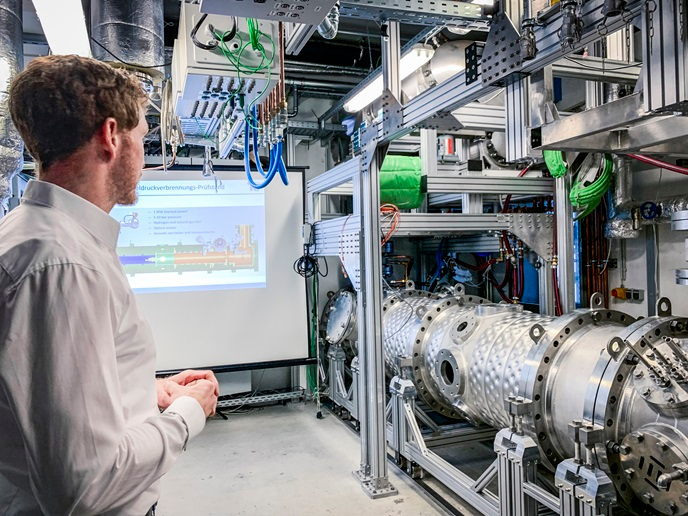
Hydrogen can be produced through: electrolysis using renewable electricity (green hydrogen), steam methane reforming with carbon capture (blue hydrogen), and biomethane or methane cracking/splitting (turquoise hydrogen), the method used by ColdSpark. Unlike conventional hydrogen production, the project’s reactor (trademarked ColdSpark®) uses electrical energy to create an NTP field that collides with methane molecules breaking their chemical bonds into hydrogen gas and solid carbon. Instead of providing a continuous energy stream, ColdSpark® uses more complicated pulses which forces more energy into the reactant gas and affords operators more control of the plasma. “The chemical reactions can occur without heating the entire gas stream to extremely high temperatures, improving energy and reactor efficiency,” explains Hauan.
Validating the dual-product strategy
Physical experiments and chemical kinetic modelling comparing plasma architectures, helped select the designs best suited to industrial scaling. This was complemented by adsorption experiments and molecular sieve simulations which validated vacuum-driven separation technologies for separating hydrogen from unreacted methane. Moving towards commercialisation, SEID conducted long-term campaigns, identifying a critical operational mode that drastically improved energy efficiency. Meanwhile, sustainability and economic assessments were also conducted. “These revealed that the technology’s competitiveness is dependent on how ‘green’ a region’s electricity already is, the market value of the solid carbon produced and achieving specific methane conversion thresholds,” notes Bjarte Kvingedal, technical manager.
Cleaner energy solution powers new economic opportunities
ColdSpark’s innovations contribute to many EU initiatives and objectives; most directly, the EU hydrogen strategy and REPowerEU(opens in new window), and more broadly, the Green Deal(opens in new window), climate neutrality, energy security and the circular economy. “Using methane from sources including agricultural or municipal waste, could reduce dependence on energy imports, with the solid carbon co-product enabling more sustainable supply chains,” says Hauan. ”Meanwhile, people benefit from better environmental and health conditions, alongside new economic opportunities, particularly in rural areas where decentralised hydrogen systems could be deployed.” Likely applications include hydrogen supply for low-carbon steel production, chemical and refining industries, supporting fuel cells for heavy transport and energy storage, and providing high-quality carbon materials for batteries, composites, construction materials, tyres, etc. Planning is under way for additional pilots to validate performance under real operating conditions. With a modular reactor design, potentially able to integrate into existing natural gas or biomethane infrastructure, the team is optimistic about a fast market entry.