



How modular aircraft power systems cut weight and fuel burn

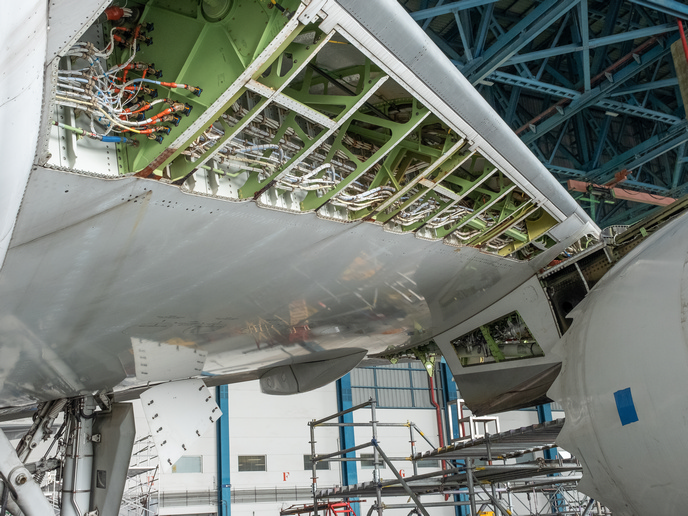
Modern aircraft already use electricity for many onboard systems, but future designs will rely on it far more. That can cut fuel use and maintenance costs, provided the electrical power system remains light, efficient and safe while handling more functions. The EU-funded ORCHESTRA(opens in new window) project developed modular technical building blocks (TBBs) for more-electric aircraft, planes that replace whole or partly hydraulic, pneumatic and mechanical systems with electrical ones. It covered power conversion, machines, wiring, batteries, thermal management and supervision, then tested how those pieces behave together rather than as isolated components.
Modular electric power systems for lighter aircraft
ORCHESTRA was designed around next-generation more-electric and hybrid-electric aircraft, where the electrical power system becomes a central backbone rather than a supporting utility. For airlines, that can mean lower fuel burn, easier maintenance and better dispatch reliability. Serhiy Bozhko, professor of aircraft electric power systems at the University of Nottingham and ORCHESTRA coordinator, says, “The largest single contributor was not one isolated technology, but rather the combination of modular subsystems and system-level smart energy management.” In practice, the project approached its 10 % efficiency and 25 % weight targets by combining lighter hardware with better use of available power, rather than expecting one breakthrough component to do all the work.
Integrating converters, machines and control with confidence
Each technical building block was developed to solve part of the problem: low-loss converters, lighter electric machines, improved harnesses, solid-state batteries, thermal models and supervisory control. The hardest step came when those parts had to operate together. As Bozhko explains, “The most challenging issue was system-level integration across independently developed TBBs”. The project addressed this by using a common electrical architecture and a hierarchical supervision approach, separating local device control from aircraft-level coordination. ORCHESTRA also examined what happens when aircraft electrical systems move to higher-voltage direct-current (DC) networks and multi-megawatt converters. At those levels, system faults, insulation breakdown, thermal stress and electromagnetic interference become much harder to contain. One lesson from the project was blunt: “Overall, the shift requires a system-level safety philosophy, not just component-level improvements.” That meant faster fault isolation, better monitoring, careful insulation design and reconfigurable architectures that limit how far failures can spread.
ORCHESTRA toolkit components closest to use
The project’s most mature results are modular power electronic converters, modular electric machines, sensing and monitoring solutions, and improved thermal management. These are close to current industry practice and easier to introduce gradually. More autonomous energy management, very high-power hybrid architectures, and the widespread use of high-voltage DC still need further work before they can meet certification and safety expectations. After the project ended in November 2025, ORCHESTRA’s models, test rigs and demonstrators continued to feed follow-on work on standards and implementation. Outcomes are already informing EUROCAE standards work on smart onboard power management, while hardware-in-the-loop platforms and virtual integration models remain in use for future electric aircraft system integration. The result is not a single finished aircraft, but a practical foundation that helps move electrified aviation from concept studies towards certifiable systems.