Eleven ways to improve climate resilience across the Mediterranean


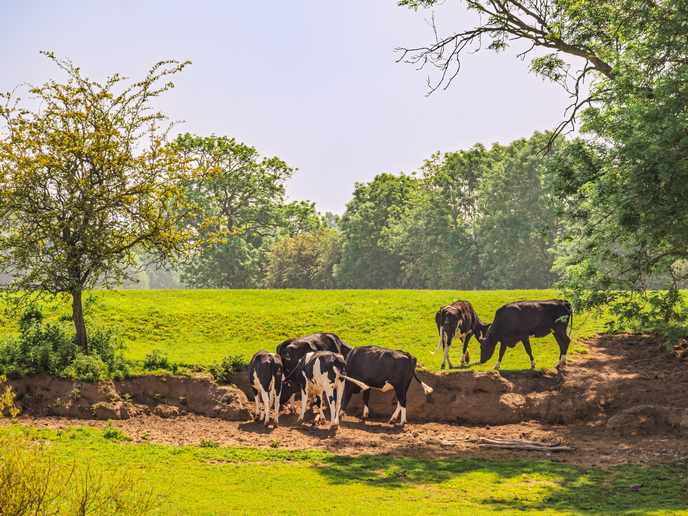
The EU-funded DRYAD(opens in new window) project has selected the most fitting nature-based solutions (NbSs) to help agro-silvo-pastoral systems in the Mediterranean become more resilient to climate challenges. Initially numbering 40, then whittled down to 13 and finally 11, the selected NbSs will be implemented at the project’s demo regions in Greece, Spain, France, Italy and Portugal. Agro-silvo-pastoral systems – land use practices that integrate crops, trees and livestock on a single piece of land – are vital for sustainable agriculture. Compared to conventional, single-crop farming, these systems support a wider range of wildlife, beneficial insects and soil microorganisms that enhance ecosystem health. The presence of trees contributes to soil fertility, prevents erosion and helps store carbon underground, while also increasing resilience to droughts and heavy rainfall. Cultivated agricultural crops provide food, generate crop residues for forage and utilise residual soil nutrients. Grazing animals feed on the crops and forage while fertilising the land with their manure, which boosts crop growth. In addition, farmers are shielded from market fluctuations since the timber, fruits, grains, meat and dairy produced on a single plot of land provide steady, year-round revenue. However, these farming, grazing and woodland landscapes are now facing increasing pressure due to rising temperatures, prolonged droughts and irregular rainfall patterns – a challenged that DRYAD is addressing with its selected NbSs.
Co-created solutions
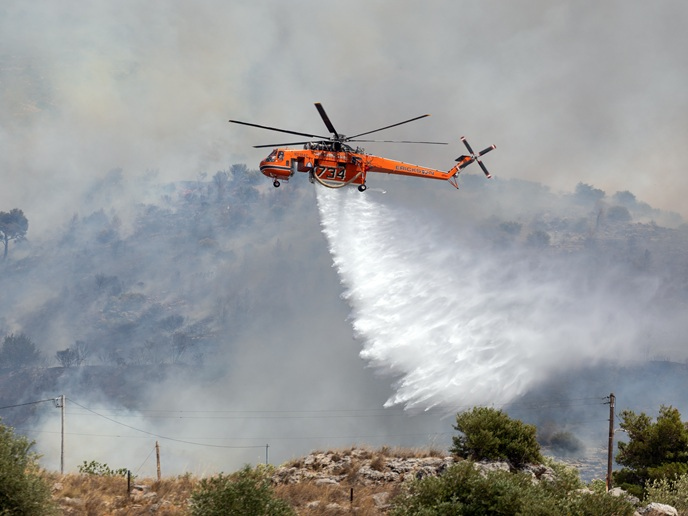
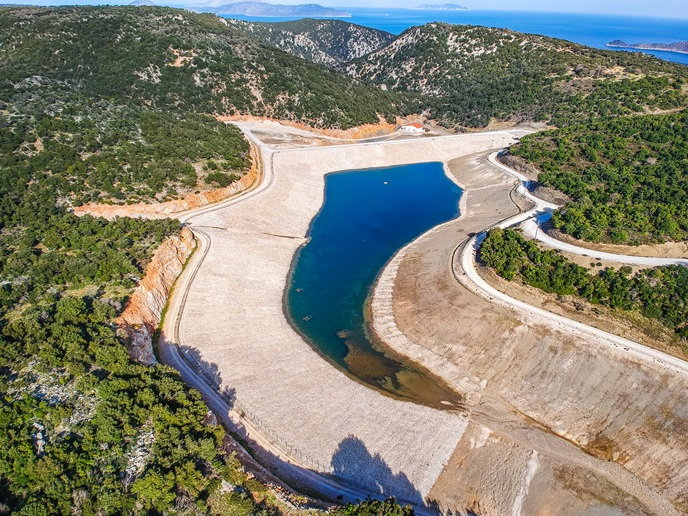
The proposed NbSs have a number of environmental and socio-economic benefits, ranging from improving water retention and soil quality to creating green jobs and increasing farm productivity. The outcome of a collaborative process between local farmers, land managers, researchers and regional authorities, the 11 DRYAD NbSs(opens in new window) are divided into three main categories, centred around water, soil and biodiversity. The water-related solutions – proposed for the storage and management of water – include drainage ditches, to be implemented in Spain’s Extremadura region, and artificial ponds, in Portugal’s Alentejo region. A recent DRYAD study(opens in new window) describes the implementation of these artificial, groundwater-dependent ponds in Alentejo and their subsequent replication in the Sardón area in Spain. DRYAD’s five soil-related NbSs aim at improving land and farming practices. They include real-time soil monitoring (Extremadura), adaptive grazing practices (Extremadura and Andalusia, another Spanish region), use of biochar (Alentejo and Extremadura), sowing biodiverse pastures (Extremadura), and wildfire prevention (Alentejo, Extremadura, Sardinia in Italy and Aetolia-Acarnania in Greece). Four solutions were proposed to enhance biodiversity. They include the strategic planting of trees and shrubs in open croplands and non-wooded grazing lands (Andalusia), natural island refuges for wildlife (Alentejo and Sardinia), and protective measures for trees and shrubs (Aetolia-Acarnania). Last but not least is the early detection of tree mortality, to be implemented in Aetolia-Acarnania, Alentejo, Andalusia, Extremadura and Sardinia. Having been co-created by diverse stakeholders, these practical, locally adapted solutions have a higher chance of being adopted. As a DRYAD (DEMONSTRATION AND MODELLING OF NBS TO ENHANCE THE RESILIENCE OF MEDITERRANEAN AGRO-SILVO-PASTORAL ECOSYSTEMS AND LANDSCAPES (DRYAD)) news item(opens in new window) points out: “NbS are not isolated actions but part of a broader strategy. By combining nature, innovation, and local knowledge, DRYAD is helping build more resilient Mediterranean landscapes—capable of sustaining both people and nature in a changing climate.” For more information, please see: DRYAD project website(opens in new window)