Improving oil and gas production efficiencies

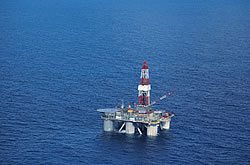
Oil and gas production is determined by the efficiency extraction of fluid from the subsurface wells. To this extent it is therefore necessary to manage the effective permeability (technically referred to as formation damage) and minimise the well flow obstructions. Well productivity reduction is caused by inappropriate decisions related to the selection of well fluids or completion solutions, repeated errors, or the lack of knowledge and/or experience for system components compatibilities. As such, the Well Productivity (WP) 2002 project sought to deliver petroleum development strategies and products to optimise delivery potential. Therefore four major elements were defined in order to drill, complete and maintain well bores throughout their economic lifetimes. These included developing methods to quantify undamaged and potentially impaired reservoir production potential, maximising well deliverability, a well planners simulation tool and the systematic applied research on well fluid design. From these four elements, the project yielded five results of which one had 230 examinations case histories before being able to clarify and improve clean up procedures. The other results were functional procedure protocols for the standardisation and improved knowledge of formation damage and the development of software that enables well planners with mud design. The dissemination of the results of the WP 2002 project to the European oil and gas industry will be executed by the five-partner consortium, and will include application workshops and publication at technical conferences. Future spin-off plans for the existing results are intended to concentrate on the reduction of risk in marginal field developments and oilfield environmental impacts.