Combating neurodegenerative diseases

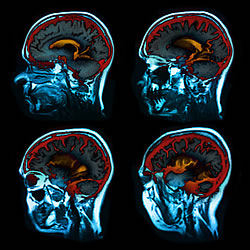
Although the primary causes for the development of neurodegenerative diseases are potentially different, they all share a common feature. This involves the selective loss of specific neuronal populations in the brain and the spinal cord as a result of cell death. For preventing this neuronal cell death or alternatively for stimulating cell survival in these pathological situations, an in-depth understanding of the related intracellular mechanisms is required. Through the perspective of future drug development, the LIFE/DEATH SIGNALS project focused on the molecular and cellular signalling pathways that determine the death or survival of a neuron. Thereby, researchers succeeded in providing explicitly and comprehensively the mechanisms followed by a certain cell surface receptor to trigger various biological functions in different cellular systems. They also tried to answer the question of whether qualitative or quantitative differences in signalling output affect response's specificity. They employed the multifunctional docking sites of Met, which is the receptor for hepatocyte frowth factor found not only in liver, but also in other cells (i.e. platelets formed in the bone marrow). These were replaced in vivo with three specific binding motifs for Receptor Tyrosine Kinases (RTKs), a class of membrane receptors that play a significant role in development or cell division. The derived results showed that different cell-specific functions in vivo were due to RTKs-mediated stimulation of various signalling pathways.