


The Human Genome sequence is made public
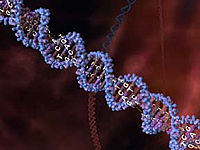
The journals Science and Nature will publish the full information on the human genome sequence in the week commencing 12 February, opening a new chapter in the understanding and treatment of disease. The international effort to de-code human DNA has been shared by the publicly funded Human genome project consortium and the US based company Celera Genomics. Both groups are releasing the data to the public free of charge, although Celera Genomics has said it may restrict access to companies seeking the data for commercial use. According to Science magazine, the data covers around 95 per cent of the genome, with an estimated accuracy of 99.96 per cent, revealing 'an ancient script that's strikingly common across all ethnic groups, and only about twice as large as a fruit fly's genetic blueprint.' The data also reveals 'vast stretches of desert-like regions, where the human genome sequence contains relatively few or no protein-coding genes,' reports Science. 'Genes exist largely in islands of clusters separated by large deserts millions of base pairs in length that have few or no genes...every person on Earth shares 99.99 per cent of the same genetic code with all other people. In fact, people from different racial groups can be more genetically similar than individuals within the same group.'