Chemistry in the battle against tuberculosis

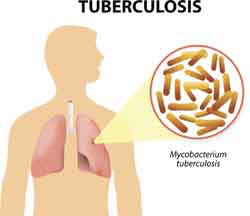
MTb is the causative agent of human tuberculosis (TB), a great medical challenge still today. Millions of people worldwide die of TB or are infected with latent disease. A proportion of these individuals will develop active TB at some point in their life, indicating that their immune system cannot fully eradicate the bacteria. TB treatment options are limited, with side-effects and often leading to the development of drug-resistant bacteria. Studies have indicated that sulfolipid-I (SL-I) – the major constituent of the Mycobacterium cell wall – is responsible for antibiotic resistance. Although SL-I elicits specific responses from immune cells, the mechanistic basis of these effects, biosynthesis and biological activities are unknown. To address this, scientists on the EU-funded 'Application of lithiated carbamates to the asymmetric synthesis of sulfolipid-I' (ALCLASS) project set out to chemically synthesise SL-I to study its functions. SL-I contains a disaccharide core attached to four chiral hydrophobic lipids. Synthesising lipids that are mirror images of each other – also known as enantiomers – represents a significant challenge in chemistry. To overcome this limitation, the consortium developed a novel organic chemistry methodology that allows the coupling of smaller fragments to build up long alkyl chains. Using this method, they were able to synthesise one of the SL-I components in just 14 steps. Most importantly, this method promises the highly selective synthesis of geometrically defined enantiomers and could thus be successfully used to generate SL-I in the lab. ALCLASS partners envision its applicability in other areas of chemical and biomedical research to study the function of various molecules. In a Gates-funded collaborative program this work is now being scaled up so that the molecules can be tested as potential vaccines in the fight against TB.