


Doubts over genetic advances voiced
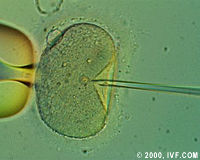
The announcement in Newmarket UK on May 17 stating that Europe's first test tube foals could lead to the production of genetically modified horses was accompanied by news of new doubts over genetic testing and the accuracy of the human genome. The two foals, Quickzee and Eazee, are part of a research programme at Newmarket designed to create horses better equipped for dressage, eventing and show jumping. Professor Twink Allen, of the Equine fertility unit, which developed the technique, questioned why breeding horses to do well in these events could not be complemented by putting the right genes in place. But on the same day, a doctor from the European society of human genetics cast doubt on the future use of genetic testing for inherited diseases, saying that they could do more harm than good. Dr Ségoléné Amyé told the 10th international congress of human genetics in Vienna, Austria that mass genetic testing should be avoided and that genetic tests should only be given when it is clear that this will be beneficial and with the consent of the individual. She added that positive results of genetic testing for conditions which could not be treated could be the cause of distress. Dr Amyé was joined by Marcus Pembrey of the institute of child health at University College London, who claimed that genetic testing could also be a waste of resources if proper research is not carried out to find out who could benefit. 'It would be a waste of time and money, and could cause side effects or anxiety if a perfectly healthy person was unnecessarily given a drug for say, high blood pressure. It's just the same for genetic testing,' he said. Genetic tests are already available for illnesses such as breast cancer and cystic fibrosis genes. And the successful mapping of the human genome will lead to further discoveries on illness causing genes. But scientists in the USA have questioned whether the results of one of the major genome decoding projects, the fruitfly's genome decoded by US firm Celera, was completely accurate. Scientists at Stanford university in California claim that numerous and significant errors in the fruitfly's genome could mean that the decoding of the human genome, which the same company carried out, may also contain inaccuracies. The Stanford scientists claim that more than 50 per cent of the sequences that were previously known about of the fruitfly's genes do not match the information contained in the Celera genome findings, adding that the speed of decoding may have been the reason for the discrepancies, as the findings may have been published before being checked.