


Moves made to give greater free access to research results
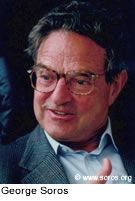
Two major moves have been announced which should help to open up access to research information to those who need it, in an affordable manner. Firstly a £3 million (around five million euro) grant has been awarded to the Budapest open access initiative, which aims to provide an alternative to fee driven research publications. Secondly, the British medical journal (BMJ) specialist will now be available to the world's 100 poorest countries. The George Soros open society institute made the grant to the Budapest open access initiative, which is a declaration that has been signed by both research institutes and researchers. It aims to see free availability of research results on the Internet for all legal uses become more attainable. The declaration makes clear that the signatories are not opposed to commercial journals, but that they would like to see a non-fee paying alternative established where free open access is available to all who want it. Specifically, the declaration wants users to be able to 'read, download, copy, distribute, print, search, crawl them for indexing, pass them as data to software, or use them for any other lawful purpose.' It claims that 'the literature that should be freely accessible online is that which scholars give to the world without expectation of payment.' Advocates of open access to research results have welcomed the news, which they believe could help start the process of making free viewing of results widely available. The free availability of specialist BMJ journals in the world's 100 poorest countries has also been welcomed. It is an extension of the same system applying to the world's 50 poorest countries, which has already been operating for a year. The British medical association says that the extension of the scheme means that now the journals are free to the majority of the world's population and will become increasingly used as more poor countries access the Internet.