


New report to highlight position of women scientists in CEECs
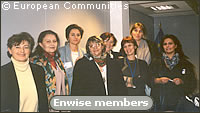
A new report is to be compiled on the position of women scientists in the Central and East European countries (CEECs) as well as the Baltic States. The Commission has set up the Enwise group with the objective of improving the role and place of women in European scientific research and increasing the number of female participants from the CEECs in the Sixth Framework Programme (FP6). Although statistics indicating the number of women working in research in the CEECs imply that these countries are ahead of the EU, the figures are misleading, according to Brigitte Degen from the Commission's 'women and science' unit. Speaking to CORDIS News, Ms Degen explained how, although the numbers of women working as researchers in the CEECs is fairly high, these women are not always working in favourable conditions. It is hoped that the writing of such a report, which the Commission hopes to see completed by the end of 2003, will fuel the debate concerning the position of women scientists in the CEECs. An Estonian MP has already told Ms Degen that she will place the report on the Parliament's agenda once it has been published. The Commission realises that it is difficult for many of these countries to prioritise women in science at the moment. 'When it is a question of economic survival, gender mainstreaming can be seen as a luxury,' said Ms Degen. But the Commission realises that if the issue is ignored now, it will be more difficult to make changes in the future. The idea is that the report will provide concrete recommendations to the Commission and national administrations on the practical tools of promoting women working in research. In the CEECs and the Baltic States, the communist period and the transition to a market economy left women scientists in a different position to that of their counterparts in the West. The Enwise group will analyse the transition (including that of the Eastern German Länder) and review the issues and challenges. The group consists of 15 members and balances nationality with the hard and soft sciences, different levels of scientific experience and gender experts, and represents universities and academies, science administration and the private or non-profit sector.