


EU research programmes can increase scientific collaboration with developing countries, says Finnish PM
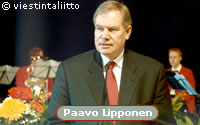
Finnish Prime Minister Paavo Lipponen has highlighted the need for Member States to make better use of the EU research programmes with the aim of increasing research collaboration with developing countries. Speaking at an international round table meeting organised jointly by UNESCO and the Finnish Parliament on 13 January, Mr Lipponen said that although Finnish universities, enterprises and research institutes have been successfully participating in EU research programmes, '[...] their research collaboration with the developing countries is still limited in scope.' According to Mr Lipponen, stepping up international cooperation can be achieved through the European Research Area (ERA) and the Sixth Framework Programme (FP6), which aims at reshaping the existing structures of European research cooperation and opening national research programmes and institutions to all European operators. 'However, these activities on the European level should not be seen merely as a question of European development, but of internationalisation in its global sense,' said Mr Lipponen. The Prime Minister also noted the impact of future enlargement on the evolution of science and technology policies within the Member States. One particular consequence will be increased mobility of human resources. With this in mind, Finland and other small Member States must create a more conducive environment to entice foreign researchers; 'we must seek ways to make better use of global expertise, if we wish to continue on the path towards a true knowledge-based society.' Finland is currently above the EU average with regard to research and development investment and is well on its way to becoming a dynamic knowledge based society by 2010, as stipulated by the Lisbon European Council in 2000. In 2001, over 4.5 billion euro was spent on research and development (R&D) in Finland, representing 3.4 per cent of its gross domestic product. A total of 1.4 billion euro have been allocated to R&D in Finland's 2003 budget. A distinctive feature of the science and technology policy in Finland has been the strong growth of public and, in particular, private research funding. Electrotechnical companies have been major R&D investors, representing over 50 per cent of private business research and development work. According to Mr Lipponen, Finland's successful science, technology and innovation policy can be attributed above all to 'a determined investment in knowledge and information. Instead of looking at education, science or technology separately, these have been treated as an operational whole - as a dynamic innovation system. In the light of international evaluations, this strategy has been proven to be successful.'
Countries
Finland