


Remodelled Japanese launch vehicle set to rival Ariane
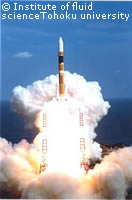
The Japanese government has announced that it is to develop a new version of the country's H-2A rocket launcher in an attempt to rival the high payload capacity of Europe's Ariane 5 launch vehicle. With a budget of 20 million yen (148 million euro), the project aims to double the payload capacity of the H-2A rocket by 2007, enabling the rocket to carry up to four tons of cargo. Announcing the project, Science and Technology Minister Shigekazu Matsuura stated that the primary reason for overhauling the rocket would be to help boost cargo transport to the international space station. 'The current capacity of our rocket is not sufficient,' he said. Indeed, Japan will be called upon to carry six tons every year to the international station until 2008, by which time assembly is due to have been completed. However, while its payload capacity is still much lower than that of the Ariane 5 (six tons) and Ariane 5 ECA (ten tons), the proposed changes to the H-2A rocket, are also expected to raise the competitive stakes in an already saturated and slow market - an average of ten launches are now taking place per year worldwide, compared to some 30 flights in 2000 'The higher capacity will [...] enable the rocket vehicle to carry more commercial satellites, thus reducing the launch costs per satellite and increasing [its] competitiveness,' explained Mr Matsuura. A ministerial committee is expected to formally approve the remodelling project in the coming weeks.
Countries
Japan