


Scientists show how pollution is changing the shape of Christmas trees
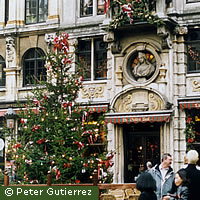
Research by scientists at Cambridge University in the UK have found that Christmas trees are becoming shorter and fatter, and that the change is due to extra nitrogen in the air caused by pollution. The traditional Christmas tree - wide at the bottom and tapered to a pointed top - is being replaced by a shorter but bushier tree. Dr David Hanke, who led a three year study into the phenomenon, has concluded that this is because nitrogen, present in the air due to pollution and acting as a fertiliser, is causing the trees to grow more branches. 'We found that nitrogen caused a big rise in levels of the hormone that causes Christmas trees to grow more branches,' said Dr Hanke. 'The level goes up five-fold, which is quite a large increase.' The nitrogen comes from agricultural sources such as fertilisers and animal sewage. The trees easily absorb ammonia, present in waste, which contains nitrogen. Reaction to the trend is likely to vary across Europe, believes Dr Hanke. While bushy trees are popular in the UK, 'the Germans are going to be hopping mad,' he said. A positive UK reaction was also predicted by Roger Hay, secretary of the British Christmas tree growers' association. 'We have to make Christmas trees bushier by pruning and shearing, so this will save the growers some work,' he said.
Countries
United Kingdom