


CIP 'essentially an SME programme' says Enterprise DG Director
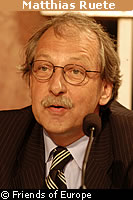
'The Competitiveness and Innovation Framework Programme [CIP] is the smaller and younger brother (or sister) of FP7,' according to Matthias Ruete, Director of the coordination for competitiveness directorate at DG Enterprise and Industry. Mr Ruete presented the new programme to the press at a briefing on 7 April, explaining that it pulls together a number of the Commission's existing programmes relating to innovation, competitiveness, information and communication technologies (ICTs) and energy. 'And of the 4.2 billion euro programme budget [over seven years], between 66 and 75 per cent will go to small and medium sized enterprises [SMEs], so essentially this is an SME programme,' Mr Ruete added. The programme, he said, would focus on creating the right conditions and supporting environment for competitiveness and innovation - for example by providing SMEs with access to capital and services, and providing knowledge on how best to participate in EU programmes such as FP7. 'When you look at the figures on the number of SMEs in Europe, it doesn't make any sense to create a CIP programme with lots of calls for tenders. Instead, we'll concentrate on ensuring that adequate services are provided at Member State and regional level,' Mr Ruete explained. In drawing a distinction between CIP and FP7, Mr Ruete said that whereas the framework programme focuses on the invention and demonstration of new knowledge and products, CIP would target the next stage - the commercialisation and full-scale application of such outputs. But the Commission's concept of innovation would not be limited to new technologies, he stressed. It would also cover, for example, the combination or application of existing knowledge in new ways - citing the modern revolution in logistics as an example. 'The full potential of this programme will only reveal itself once it is in operation,' concluded Mr Ruete, but the Commission is keen that CIP be seen as a concrete measure to help European businesses, and proof that the updated Lisbon agenda is 'not just lofty talk'.