


EU health ministers call for further EU investment to fight cancer, AIDS and infectious diseases
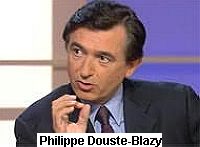
The EU Health Ministers agreed on 14 April to boost efforts in the fight against cancer, HIV/AIDS and new infectious diseases such as SARS and avian flu. Speaking after a two day informal Health Council meeting in Paris, the French and Luxembourg health ministers, Philippe Douste-Blazy and Mars Di Bartolomeo, announced the establishment of an 'anti-cancer Alliance'. The Alliance will pool medical expertise in the fight against a disease blamed for 40 per cent of deaths among Europeans aged between 35 and 65. It will promote research into proteomic 'biomarkers', which are cellular or molecular indicators of exposure, disease, or susceptibility to disease. Networks of national cancer institutes will enable the diffusion of 'guidelines and protocols in terms of diagnostic and treatment, as well as the exchange of best practices,' said the two ministers in a joint statement. The ministers also suggested setting up a European tumour library 'to ensure the exchange of results obtained during the observation of tumours on human tissues'. 'Closer cooperation is needed in three concrete fields that have a direct influence on the health of European citizens: cancer, AIDS and flu,' continues the statement. HIV/AIDS, which affects 40 million people around the world, was named as another priority. 'Only the development of a vaccine will enable us to contain this pandemic,' stated Mr Douste-Blazy, regretting the lack of European investment in this field. 'Out of the 800 million dollars spent to this day around the world in the search for a vaccine, 700 million dollars are provided by the US. It seems to us indispensable to back the organisation of a European network of top laboratories to encourage clinical tests of proposed anti HIV vaccines,' he added, emphasising that vaccines are one of the most neglected areas of HIV/AIDS research. The ministers also warned of the 'worrisome progression' of the disease in the three Baltic state members of the EU, namely Estonia, Latvia and Lithuania, and a sharp rise in prevalence in Belarus, Russia and Ukraine on the EU's border. 'The EU should commit itself to reduce the funding gap for research and development in new HIV prevention technologies; both in microbicides and vaccines,' stated the ministers. Turning to new diseases, the statement calls on European ministers to take initiatives to coordinate monitoring, alert mechanisms and responses to the great infectious threats such as the Avian flu with, among other things, the creation of 'a red phone for sanitary urgency'.
Countries
France, Luxembourg