


OIC proposes ten-year science plan for Islamic countries
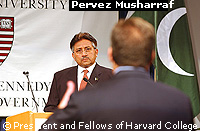
The Organisation of the Islamic Conference has endorsed a ten-year plan to reduce the science and technology gap between developed countries and the Islamic world by enhancing efforts in research and development (R&D). The document urges OIC member states to prepare national science and technology strategies, establish centres of excellence, promote links between science and industry, and set up an OIC R&D fund to support scientific and technological projects in member countries. The plan, part of a wider ten-year framework of action for the Islamic world, sets out several specific targets to achieve its overall objective, for example proposing that by 2015, Muslim countries should aim to spend 1.2 per cent of their GDP on R&D, and that by the same date, 30 per cent of students aged 18 to 24 should have the opportunity to go to university. To help meet these targets, oil-producing countries are encouraged to invest part of the extra revenues coming from increased oil prices in national R&D activities. For the least developed countries, however, the plan accepts that investing 0.4 per cent of GDP in R&D by 2015 is a more realistic objective. In order to reform higher education, the plan suggests giving priority to science and technology in academic curricula, and making more effort to facilitate the exchange of knowledge between academic institutions in member states. It also urges the Islamic Development Bank to enhance its programme of scholarships for outstanding students and specialists in high-tech subjects, and suggests ways of avoiding a brain drain of highly qualified Muslims to other parts of the world. The final details of the ten-year plan were agreed at a meeting of Islamic scientists and scholars in Mecca in September. Although it is not binding, it provides a cooperative roadmap for individual countries to plan their knowledge-based development and investment strategies. Speaking during the Islamic Summit at which the plan was adopted, General Pervez Musharraf, the President of Pakistan, warned that most Islamic countries 'remain far removed from the expanding frontiers of knowledge, education, and science and technology' - a situation that must be reversed if the Muslim world is to break free from a 'stagnation of centuries'. Wardiman Djojonegoro, former Education Minister of Indonesia and chair of the Foundation for Human Resources from Science and Technology, told SciDev.Net: '[This action plan] is an important milestone in the quest by Islamic countries to raise and enhance their human resources. In this global world, you can only compete successfully if you master science and technology.'