


EU project takes renewable energy technologies to Latin America
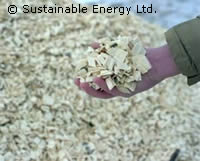
The European Union has launched a scheme to promote the use of renewable biomass energy technologies in the Andes and Amazonian regions of Ecuador and Peru. Funded through the Commission's 'Intelligent Energy Europe' scheme to promote energy efficiency and renewables, BEPINET (biomass energy platforms implementation for training in Latin America network) will address what many see as the main barrier to the spread of renewables in developing countries - a lack of specialised knowledge. 'Today, technological advances in this sector have made bio energy an economic option that can satisfy the needs of various industrial sectors. However, the replication potential of these technologies is not yet fully exploited,' explains the project summary. 'This is mainly due to a general lack of awareness and know-how among the end-users, policy makers and technology developers.' To fill this gap, the BEPINET partners aim to establish specialised training platforms for biomass technologies in the Andes and Amazonian regions of Latin America. It will work with local institutions in these regions with competence in the field of renewable technologies, reinforcing that knowledge and encouraging networking among universities and research institutes. Training will be carried out in sessions involving 15 to 20 trainees a time, and modules on renewables and biomass and their role in poverty alleviation will be included in current university curricula in the two regions. Between 50 and 100 private agro-industrial and wood industry owners will also attend sessions on the advantages of biomass technologies. The project is coordinated in France by CIRAD (Agricultural research for developing countries), and includes partners in the UK, Belgium, Brazil, Ecuador and Peru. Tony Bridgewater, head of the bio-energy research group at UK partner Aston University, says: 'The tremendous advances that have been made in renewable energy in Europe now need to be applied to regions that have even greater need for a cheap and reliable local source of energy.' It is hoped that BEPINET will not only help to bring energy supplies to rural areas of Latin America where the availability of services is still relatively low, but also offer additional incomes and a real opportunity for development to these areas. The Latin American network will also work with a twin initiative in Africa, BEPITA, to encourage the exchange of best practices and transfer of technology, and build up the necessary critical mass to create an international biomass energy network.
Countries
Belgium, Brazil, Ecuador, France, Peru, United Kingdom