


Lebanese oil slick visible from space
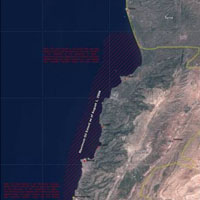
The first satellite images of the oil slick off the coast of Lebanon, provided by the European Commission's Joint Research Centre (JRC), show that it has reached the Syrian coastline and is spreading further north. The oil slick was caused by the bombing of the Jiyyeh Power Utility between 13-15 July. Since then thousands of tonnes of oil have leaked into the sea from the ruptured oil tanks and the slick rapidly spread to cover 80 km of the Lebanese coast. Now satellite images from the JRC show that the oil has entered Syrian waters and has already contaminated some 10 km of Syria's coast. As well as being an environmental disaster (the oil could prevent endangered green turtles from reaching the sea after they hatch), the oil slick could have serious implications for the Lebanese economy. 'We must also be concerned about the short and long term impacts on the marine environment including the biodiversity upon which so many people depend for their livelihoods and living via tourism and fishing,' said Achim Steiner, head of the United Nations Environment Programme. The United Nations Environment Programme (UNEP) has now requested the Government of Cyprus to run a spill forecast model, called MEDSLIK, to determine whether or not the oil is likely to affect other Mediterranean states. The European Commission and a number of countries have already offered their assistance for the clean-up operation.
Countries
Cyprus, Lebanon, Syria