


Commission puts forward environmental strategy to protect the Mediterranean
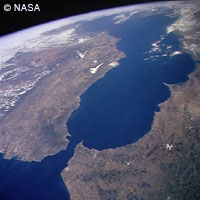
The European Commission has proposed an environmental strategy to clean up and protect the Mediterranean Sea. It foresees, among other things, enhancing scientific cooperation under the Seventh Framework Programme. Despite over 30 years of international efforts to protect it, the Mediterranean's unique ecosystem is deteriorating as a result of pollution from industry, shipping and households, while coastal habitats such as forests are being cleared to make way for construction projects. The Commission's strategy aims to reduce pollution levels across the region; promote the sustainable use of the sea and its coastline; encourage neighbouring countries to cooperate on environmental issues and help them develop effective institutions and policies to protect the environment. 'We have to act for the promotion of economic development of the Mediterranean and the protection of the health of its people,' said EU Environment Commissioner Stavros Dimas. 'This strategy aims to revitalise and strengthen cooperation between the EU, our Mediterranean neighbours and the relevant international organisations to safeguard the region's environment and natural resources for the long term. If we fail, the Mediterranean could deteriorate beyond repair.' A key component of the strategy is the 'Horizon 2020' initiative, which was set up by the leaders of the European and Mediterranean countries to tackle the top sources of Mediterranean pollution by 2020. Activities to be carried out under the Horizon 2020 initiative fall into four categories, one of which is research. Projects funded under the Fifth and Sixth Framework Programmes have already contributed to our understanding of the Mediterranean environment and our impact on it. Examples include projects addressing water issues, marine pollution, marine and coastal research and climate change impacts. The initiative will seek to enhance greater scientific cooperation under FP7, in priority areas with relevance for the region. These include health, food, agriculture and biotechnology, production technologies, energy, environment (including climate change), soil protection and transport. Research initiatives involving organisations in the EU and partners in neighbouring countries will also be supported, notably in the fields of water, biodiversity and cultural heritage. International fellowships and exchanges of researchers will help to foster greater links between the countries around the Mediterranean. The European Commission's Joint Research Centre (JRC) will also provide research support to the project, particularly in the fields of climate change, sustainable use of natural resources (forests, soils, freshwater), the marine and coastal environment, spatial data infrastructures and the use of renewable energies. In the strategy, the Commission resolves to strengthen the links between FP7 and the environmental components of its Neighbourhood Policy through better targeting of research themes. The strategy includes a timetable for actions for Horizon 2020 up until 2013. It is hoped that a final version of the timetable will be endorsed at the meeting of the Euro-Med Environment Ministers in Cairo, Egypt, on 20 November.