


Fruit glorious fruit!
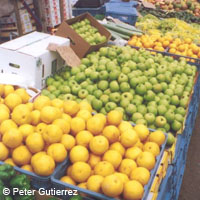
It is estimated that Europe's fruit and vegetable industries generate about 30 million tonnes of waste per year. Although full of valuable nutrients and biomass, the waste is for the most part sent to landfills or used as a low quality compost or animal feed without treatment. Grub's Up, an EU funded project, is aiming to put an end to this waste. It is assessing technologies under development that could be used to recycle fruit and vegetable pulp leftover from production for use within the food chain, in products such as high value added food additives. The overall aim of the project is to improve food quality and safety, while cutting down the environmental impact of waste. According to Igor Kobek of ttz Bremerhaven, one of the project partners, olive oil is a good example of why such technologies are so urgently needed. Olive oil production has increased significantly in recent years in response to growing consumer demand. 'After pressing the olives, a lot of pulp is left over which is difficult to handle since it is not bio-degradable,' Mr Kobek told CORDIS News. 'In the past the pulp was considered as waste because people didn't have the technologies to use this product.' Mr Kobek believes that there should be no more talk of waste since there are extraction, washing and fermentation techniques which can utterly transform fruit and vegetable leftovers into food additives and food fertiliser. 'Olives, for instance, contain high value polyphenols which can be extracted from the pulp and added to bread. Grape seed extract could also be used in bread or yoghurt,' surmises Mr Kobek, adding that the concept is no different to the current trend of adding Omega 3 to breads and other food products. Other examples include carrot pomace, citrus, and potato peel, which could be processed into dietary fibre to add nutritional value in the form of vitamins and oxidants. Meanwhile olive press cake and spent malt could produce pectin, for use as a gelling agent in food. Project partners are currently assessing eight technologies, weighing up the impact that they may have on the environment and food quality. They are also assessing whether these technologies can really serve industry's needs and are economically viable. Changing production lines can take a lot of time and money. Also, while many of the natural flavourings could sell for as much as 50 times the price of artificial equivalents, the raw materials are more expensive. But with the growing consumer demand for healthier food options, Mr Kobek is optimistic that manufacturers will find a market for these products and see a return on their investment. 'We have the results from the research done on these production processes and technologies. Now we have to show how they can be applied to industry,' said Mr Kobek. To help with this process, the project consortium is currently analysing the results of a needs survey which it conducted, involving 1,000 companies from the fruit and vegetable sector. In addition, it has organised technology transfer workshops, bringing together researchers, food manufacturers and other specialists. A guide will also be disseminated, describing the selected technologies and their industrial application.
Countries
Germany