


Most successful fathers have least successful daughters, researchers find
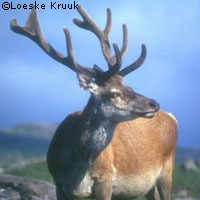
'What's good for the goose is good for the gander,' the old saying goes. However, new research suggests that this may not apply in the case of red deer and their genes. A team of British researchers found that genes which offer an advantage to male deer may be less beneficial to female deer. The work, which was partly funded by a Marie Curie grant from the EU, is published in the journal Nature. 'Natural selection means that the most successful individuals pass on their genes more frequently than the losers, so in the next generation more individuals should be carrying those good genes,' says Dr Loeske Kruuk of the University of Edinburgh. 'As time goes on we should expect the low quality genes to be lost, causing less variation between individuals.' However, in many populations genetic diversity remains high, and researchers are keen to find out why. Male and female red deer need different qualities to successfully pass on their genes. 'Males compete intensively for matings during the short annual rut but do not invest in offspring care, whereas female maternal investment extends over a long period during each reproductive event,' the researchers explain in the paper. These differences make red deer ideal for investigating whether genetic variation is maintained by antagonistic sexual selection. In this latest piece of research, the scientists studied a wild population of red deer living on the Isle of Rum, which lies off the west coast of Scotland. They found that males who were most successful at winning fights for females went on to have daughters who had relatively few offspring. In contrast, the daughters of less successful males had more offspring. According to the researchers, this effect of the best males not producing the best daughters could explain why genetic variations remain. 'Our study provides evidence from a natural population that 'good genes' may be gender-specific and would not provide equal benefits to sons and daughters,' the researchers conclude.
Countries
United Kingdom