


Commission delays electromagnetic fields legislation
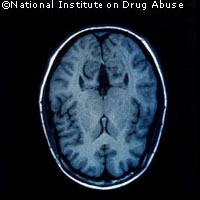
The European Commission has postponed legislation on workers' exposure to electric magnetic fields, which would have restricted the use of life-saving medical imaging devices. The move to defer the EU Physical Agents Directive from 2008 until 2012 aims to give the EU time to commission further research into the potential health risks associated with exposure to Magnetic Resonance Imaging (MRI) devices. MRI machines are used to detect early signs of cancer, brain tumours and other serious illnesses, allowing doctors to help 8 million patients each year. 'The Commission remains committed to the protection of the health and safety of workers. However, it was never the intention of this Directive to impede the practice of MRI. Obviously, the Commission recognises MRI as a technology offering clear benefits to patients, and continues to support MRI research financially,' commented Vladimír Spidla, EU Commissioner for Employment, Social Affairs and Equal Opportunities. 'Postponement of the transposition will allow time to review the current Directive and amend those provisions which have been shown to be problematic by recent scientific studies. While this review is ongoing, the Commission recommends that Member States put the transposition of the current Directive on hold,' he added. Whilst the Directive was adopted in 2004 and due to enter into force in April 2008, UK scientists and MPs complained that the potential health risks from the MRI machines were exaggerated and based on a 10-year old risk assessment. A UK House of Commons Science and Technology Committee criticised the law in a report a year ago saying: 'It is deeply regrettable that the impact of the Directive on MRI procedures was not established before the Directive was adopted. 'This case study illustrates the potential consequences of the failure of policy-makers to seek comprehensive scientific advice early in the policy formulation process and to commission the necessary research to inform this process where uncertainty or gaps in knowledge exist,' read the report. As part of the Seventh Framework Programme (FP7), the EU will invest approximately €6 million in 2007 to develop hybrid imaging systems such as MRI/PET and MRI/Ultrasound.
Countries
United Kingdom