


Easy steps to keep hay fever away
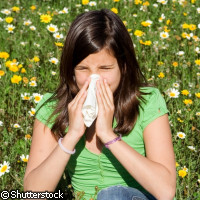
With summer already upon us, so too, unfortunately, is hay fever. Hay fever is an allergic reaction to pollen, airborne chemicals and dust particles and causes great irritation to sufferers. Now, new research is suggesting some interesting steps people can take to improve their immunity to hay fever. Hay fever is a seasonal allergic rhinitis, and is named after the haying season during which it is most prevalent. It can be caused by an allergic reaction to pollen or fungal spores, most commonly grass pollen. The immune system mistakes the spores for harmful invaders and produces excessive amounts of the antibody IgE to bind to them and fight them off. IgE stimulates the release of histamine to flush out the spores, and this irritates the airways making them swell and producing the symptoms of hay fever. While the particles that cause hay fever vary from person to person and from region to region, the result can cause sufferers major discomfort. Scientists from the UK-based Institute of Food Research have conducted an innovative human study into hay fever. What they have found is that daily doses of probiotic bacteria can change the immune system's response to grass pollen, a common cause of seasonal hay fever. Before you rush out to your local supermarket looking for products containing probiotic bacteria, more research is needed and the changes found may not have an immediate effect on symptoms. 'This was a pilot study based on small numbers of patients, but we were fascinated to discover a response,' says research leader Professor Claudio Nicoletti. 'The probiotic significantly reduced the production of molecules associated with allergy.' Probiotics, which means 'for life', are dietary supplements containing potentially beneficial bacteria or yeasts. According to the currently adopted definition by the World Health Organization and the Food and Agricultural Organization, probiotics are: 'Live microorganisms which when administered in adequate amounts confer a health benefit on the host'. The original observation of the positive role played by certain bacteria was first introduced by Russian scientist and Nobel laureate Eli Metchnikoff. Probiotic bacterial cultures are intended to assist the body's naturally occurring gut flora, an ecology of microbes, to re-establish themselves. As part of this latest study, volunteers with a history of seasonal hay fever drank a daily milk drink with or without live bacteria over five months. The study was double-blinded and placebo controlled, so neither the volunteers nor the scientists knew who had been assigned the probiotic drinks. The probiotic drinks contained Lactobacillus casei, a bacterial species that has been studied for its health promoting properties. Blood samples were taken before the grass pollen season, then again when it was at its peak (June), and four weeks after the end of season. There were no significant differences in levels of IgE in the blood between the two groups at the start of the study, but IgE levels were lower in the probiotic group both at the peak season and afterwards. 'The probiotic strain we tested changed the way the body's immune cells respond to grass pollen, restoring a more balanced immune response', says Dr Kamal Ivory, a senior member of the group. The changes observed may also reduce the severity of symptoms, but clinical symptoms were not measured in this study. That is one aim of further research. Professor Nicoletti's group intend to perform a similar study in the near future to see if the immunological changes translate into a real reduction in the clinical symptoms of hay fever. They would also like to examine the mechanisms involved.
Countries
United Kingdom